
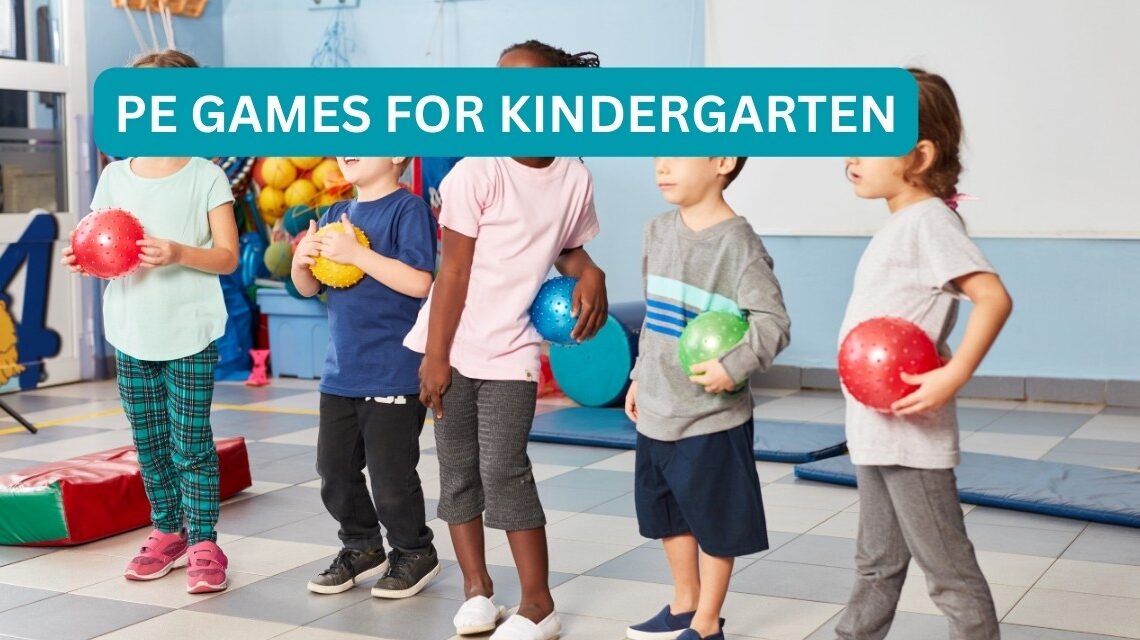
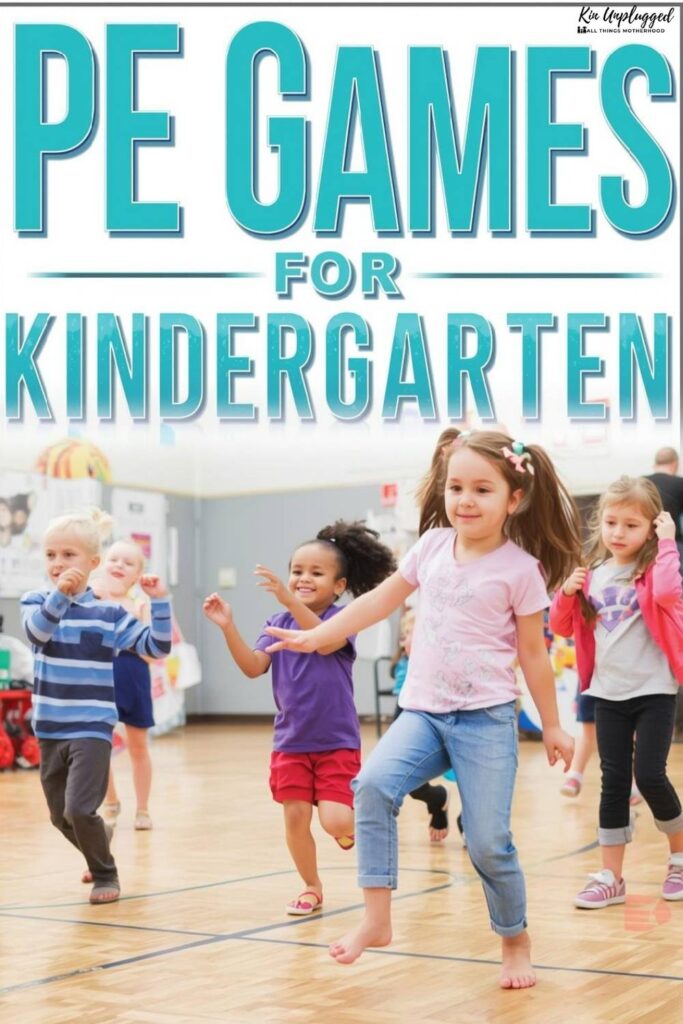
If you need PE games for kindergarten that work in a living room, a school hall or that awkward tiny space between the sofa and the coffee table, you’re in the right place. Pick one game from the right section below and you’ll have 20–30 minutes of movement handled today. With almost no planning.
GET: Soft foam balls
GRAB: Floor Spots or Cones
Keep those two items in a tote and you can run half of this post on autopilot.
No more last-minute Googling while your kid is already in trainers.
READ (Age-based): Over 20 Magical Christmas Activities for Toddlers
READ (Age-based): The Best Dice Games for Kids (easy, fast and fun)
READ (Classroom): 35 Valentine’s Day Minute to Win It Classroom Games (fast, low-prep, teacher-approved)
READ: How to Start a Self-Love Journey (for Busy moms who want results in 30 Days)
The 30-second decision guide (pick your game in one glance)
If your child is bouncing off the walls: go to High-energy games.
If your child melts down with loud rules: go to Calm-body games.
If you have mixed ages at home: go to Sibling-friendly games.
If it’s a class or party: go to Group-proof games.
If you have 10 minutes: go to Micro-games.
Keep scrolling.
I’ll also give you a simple sequencing plan so it feels like real PE, not random running.
What kindergarten PE needs
Kindergarteners don’t need complicated sports.
They need repeated practice of a few building blocks: moving safely in space, stopping on a signal, balancing, jumping/landing and simple throwing and catching.
SHAPE America’s standards for early grades focus on foundational movement skills and concepts like locomotor and manipulative skills.
That’s why the best games look simple but secretly train real skills.
Also, young kids need lots of movement across the day.
The CDC says children ages 3–5 should be active throughout the day.
Here’s the part that helps you today: your job is not to teach perfect technique.
Your job is to give them a fun reason to repeat the same movement 20 times.
The PE sequence that makes everything easier (and calmer)
If you copy just one thing from this post, copy this.
1) Start signal (30 seconds): show your stop cue.
Clap pattern, bell or freeze statue works.
2) Warm-up (3 minutes): easy movement, no competition.
Think march, tiptoe, big stretches, animal walks.
3) Skill snack (4 minutes): one skill, one rule.
Example: “Jump and land like a quiet ninja.”
4) Main game (10–15 minutes): the fun part.
Pick one from the lists below.
5) Cool down (2 minutes): slow breathing and balance.
Kids finish better when their body lands softly.
This sequencing is the difference between “that was a nice session” and “everyone cried.”
It also makes your kid feel secure because the flow is predictable.
Quick setup rules that prevent the common kindergarten PE problems
Rule 1: Mark boundaries.
Painter’s tape, cones, shoes, even cushions.
Rule 2: Use lanes, not crowds.
Two or three small groups moving at once beats one big group bumping bodies.
Rule 3: Give every kid a job.
If they’re waiting, they’re wobbling.
Rule 4: Swap elimination for missions.
Instead of “you’re out,” it becomes “go reset your cone and rejoin.”
This is also kinder for sensitive kids and it keeps you from repeating rules 47 times.
PE games for kindergarten that work every time (by problem)
1) High energy games (for kids who need a full body reset)
Traffic Light Tour
Kids move around the space on “green,” slow on “yellow,” freeze on “red.”
Specific win: you get instant listening practice with movement built in.
Make it harder by adding movement modes.
Run, hop, tiptoe, bear walk.
Island Hops
Scatter floor spots or paper plates as islands.
Call “sea” and kids move between islands, then “island” and they jump to a spot.
Want a quick math layer.
Call “Find an island with two feet and one hand.”
Laundry Basket Delivery
Put a laundry basket at one end.
Kids carry a soft ball or beanbag to the basket using a silly walk, then drop and return.
This is brilliant for the kid who runs off.
They have a purpose, not just speed.
Balloon Bop Path
A balloon stays in the air while they travel from line to line.
No spiking, just taps.
It builds tracking and control.
And it’s gentle indoors.
2) Calm body games (for kids who get loud, fast or overwhelmed)
Turtle Shell Balance
Each child balances a beanbag on their head or shoulder and walks a taped path.
If it drops, they pause, breathe and reset.
This teaches patience without lectures.
It also keeps hands busy in a good way.
Freeze Shapes
Play music for 10–15 seconds, stop and call a shape.
Star, pencil, ball, table.
You can calm the room in under 60 seconds.
It’s basically regulation training disguised as fun.
Quiet Ninja Steps
Tape “stepping stones” on the floor.
Kids cross without making noise and finish in a statue pose.
If you’re doing this at home, you’ll love it. It’s movement that doesn’t rattle the whole house.
3) Sibling-friendly games (so you can do one activity for everyone)
Big Kid Coach, Little Kid Runner
One child is “coach” and chooses the movement.
The other does it across the room and back.
Swap roles.
This gives older kids power in a healthy way and keeps littles engaged.
Animal Parade Stations
Station 1: frog jumps.
Station 2: crab walk.
Station 3: penguin waddles.
Run 45 seconds per station.
Then rotate.
4) Group-proof games (classroom, party or big family night)
Home Base Corners
Mark 4 corners as “home bases.”
Call a base, kids travel there using the movement you choose.
Make it inclusive by rotating movement styles.
Walking counts.
Clean-Up Relay (the calm competition)
Scatter scarves or beanbags.
Teams collect one item at a time and place it neatly in their basket.
It looks like a game.
But it also ends your session with a clean floor.
Parachute Alternatives (no parachute needed)
Hold a bedsheet with two adults or older kids.
Bounce soft balls gently and try to keep them on.
This gets teamwork without roughness.
It’s also a gorgeous reset activity.
The Skill Snacks that make your games feel like real PE
Use these right before any main game.
They take 2–4 minutes.
Locomotor snack (moving skills)
Pick one: run, hop, jump, slide, skip, gallop.
Locomotor skills are the skills that move the body from place to place.
Do 10 reps in a lane.
Then plug that movement into your game.
Manipulative snack (object control)
Pick one: roll, underhand toss, gentle catch.
Start with big targets and slow throws.
For kindergarten, underhand wins.
It’s safer and more successful.
Balance snack (body control)
Pick one: flamingo stand, tightrope walk, statue freeze.
Hold for 3 seconds, rest, repeat.
This is especially good for kids who struggle with impulse control.
It gives their nervous system practice at stopping.
The stand-out section: story-based PE games (kids forget they’re exercising)
This is where you’ll beat the bland lists on Google.
These games feel like play but they drill real skills.
1) North Pole Mail Route (movement and direction changes)
Set up 3–5 “mailboxes” (cups or bowls) around the room.
Kids deliver “letters” (scarves/beanbags) to the right mailbox.
Call routes: “Mailbox 1, then 3, then home.”
You just trained listening, memory and safe navigation.
2) Museum Night (freeze control with imagination)
Tell them the museum is open.
They travel as a character, then freeze as a statue when you say “security.”
Switch characters.
Dinosaur, robot, ballerina, superhero.
This works for the kid who refuses typical PE.
They’ll do 20 freezes without noticing.
3) Volcano Escape (jumping and landing done right)
Tape “lava lines” on the floor.
Kids jump over lava and land with soft knees.
Your only coaching cue is simple: quiet feet.
If the landing is loud, they try again.
4) Weather Report (speed control without shouting)
You call the weather.
Sun: walk, wind: run gently, snow: tiptoe, thunder: freeze.
This is amazing for transitions.
And it’s easy for a busy mom brain.
Small space solutions (for living rooms, hallways and tiny flats)
If you can’t run, you can still do PE.
You just switch to “in-place” intensity.
Hallway Lanes
Tape two lanes.
Kids go down and back using the same movement.
This reduces collisions fast.
It also gives your child a clear path to follow.
One-Spot Challenges
You set a timer for 30 seconds.
Kids do one movement on one spot.
Examples: marching knees, star jumps, toe taps, balance holds.
Then breathe for 10 seconds and repeat.
Chair-Line Games
Line up 4 chairs as obstacles.
Weave around, step over, crawl under a “bridge” made with a broom held low by an adult.
Keep it slow and controlled.
Kindergarten PE is about safe movement more than speed.
How long should you run these games
If you’re at home, 10–25 minutes is plenty.
It’s better to end while they’re still happy.
For school, many schools aim for regular PE time across the week.
In the UK, guidance commonly points to around 2 hours of PE per week as a target for primary pupils, even though real timetables vary by school.
Here’s your practical rule: switch games every 7–12 minutes.
That one habit fixes most behaviour issues.
The mom-first cheat codes (so you don’t burn out running PE)
Use fewer words.
Say the rule once, demo once, start the game.
Aim for quick wins.
Kids cooperate when they can succeed in the first 30 seconds.
Build a PE tote.
Soft balls, painter’s tape, a few scarves and a cheap timer.
And here’s the truth part.
If you’re running on fumes, your kid feels it.
A simple week plan you can repeat (so you stop reinventing the wheel)
Day 1: Stop and go
Traffic Light Tour and Freeze Shapes.
Finish with Turtle Shell Balance.
Day 2: Jump and land
Volcano Escape and Island Hops.
Finish with Quiet Ninja Steps.
Day 3: Throw and roll
Laundry Basket Delivery and Clean-Up Relay.
Finish with slow stretching.
Day 4: Story mission
North Pole Mail Route and Museum Night.
Finish with breathing and a balance pose.
Day 5: Mixed-age stations
Animal Parade Stations and Home Base Corners.
Finish with calm music and floor stretches.
This is repeatable.
And repeatable is what busy moms need.
FAQs
How much PE should primary pupils receive each week?
A common UK recommendation is at least 2 hours of PE per week but schools vary based on timetable and staffing.
What are locomotor skills?
Locomotor skills are movement skills that take a child from one place to another, like walking, running, hopping, jumping and skipping.
What are the physical activity guidelines for young children?
Children ages 3–5 should be active throughout the day, with lots of movement broken up across play and daily routines.
What do kindergarteners learn in physical education?
They practice foundational movement skills like moving safely in space, stopping on a signal, balancing, jumping and landing and beginner throwing and catching skills.
How do you teach kindergarten PE so kids listen?
Use one stop signal, mark boundaries, keep rules to one sentence and switch activities every 7–12 minutes.
If you’re reading this while tired, juggling dinner or trying to keep the peace, I see you. PE games for kindergarten don’t have to be loud, long or complicated. They just need to give your child a safe way to move their body and a simple rhythm to follow.So tonight, don’t try to do five games. Do one. Mark the boundary, set the stop signal and choose the game that fits your kid’s energy right now. That’s the whole secret.
 0
0

 278
278