
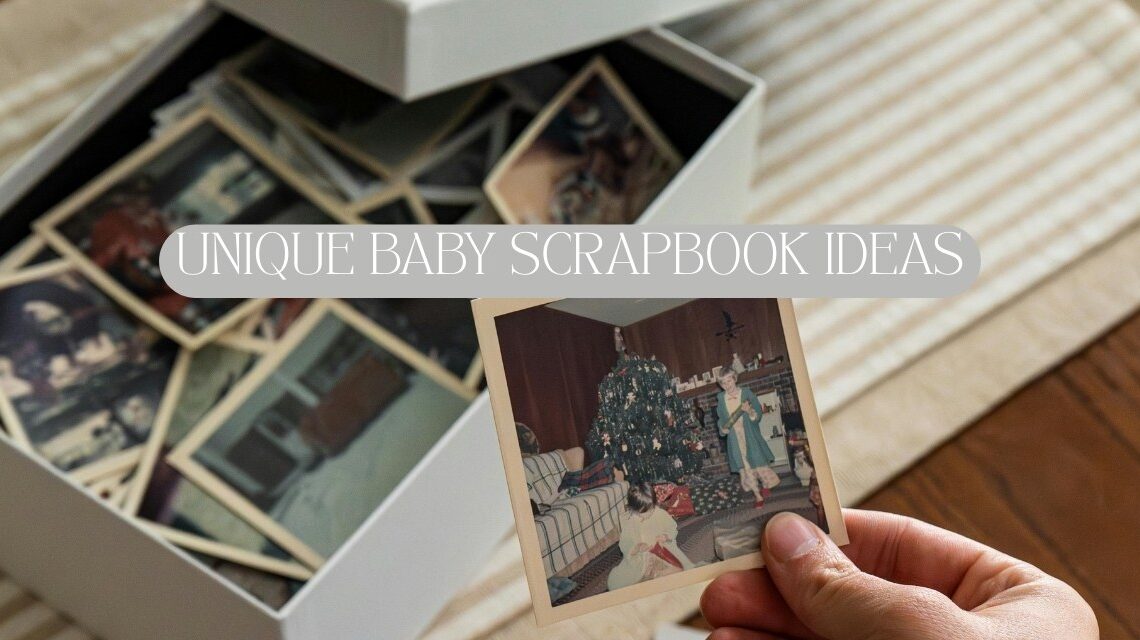
If you want unique baby scrapbook ideas that are personal, practical and not just another parade of pastel footprints and forced sentiment, here’s the answer fast: build your scrapbook around evidence of real family life, not generic milestones. Use tiny details, repeated visual formats, short story prompts and page ideas that capture voice, timing, texture and context instead of just baby was born, baby got bigger, the end.
That is what makes a scrapbook interesting later. Not the fifteenth page of stickers announcing that your child once wore a hat.
Use those early because the right supplies matter. The Library of Congress recommends acid-free, lignin-free materials and photo-safe storage materials that meet photo preservation standards and the U.S. National Archives says the safest way to mount photographs is without glue, using acid-free pages, sleeves or photo corners made from stable plastics.
If you also want memory-keeping ideas that are faster than a full scrapbook, keep baby memory book ideas and easy ways to organize family photos open too.
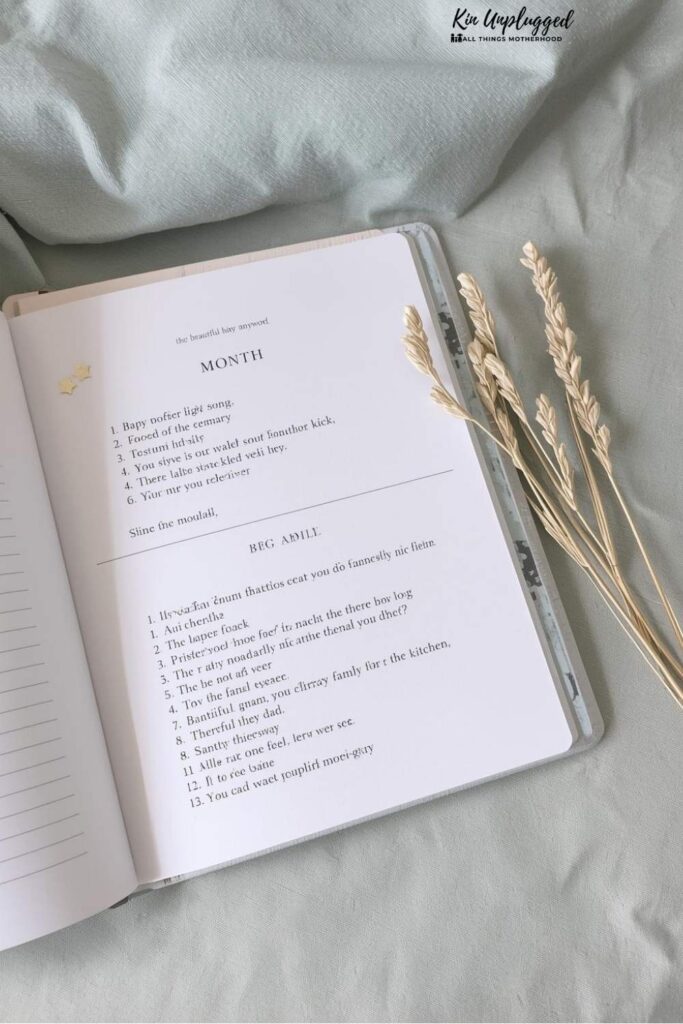
Why most baby scrapbooks all blur together
Because they are usually built from the same script. Birth stats. Hospital bracelet. First bath. First smile. Handprint. Done.
There is nothing wrong with those pages. The problem is that on their own they barely tell you who this child was, what your life felt like or why this season mattered beyond basic biology.
That is why so many baby books look sweet in the moment and weirdly empty later. They are technically complete but emotionally thin.
Busy moms do not need more work. They need better page ideas so every spread earns its place.
What makes a baby scrapbook stand out
Three things usually do it.
First, specificity. Not loved music. Better: stopped crying only when Dad played Fleetwood Mac in the kitchen at 6:10 p.m.
Second, structure. When a scrapbook has repeated page styles, it feels thoughtful instead of random.
Third, evidence. Real artifacts, short captions, tiny observations and visual contrasts do far more than generic embellishments ever will.
That is how you end up with a book that feels like your family and not like a scrapbooking supply store had a nervous breakdown.
Before the ideas, the one thing to get right
Use materials that will not quietly ruin the book while you feel pleased with your own craftsmanship. The Library of Congress recommends acid-free and lignin-free paper, stable plastics like polyethylene, polypropylene or polyester and advises against things like self-adhesive tape, paper clips, staples and rubber bands for long-term album storage.
The National Archives also notes that so-called archival can be a vague marketing term on its own and says the safest mounting method is without glue, using acid-free pages or stable plastic photo corners and sleeves.
So yes, the scrapbook should be lovely. It should also not eat the photographs.
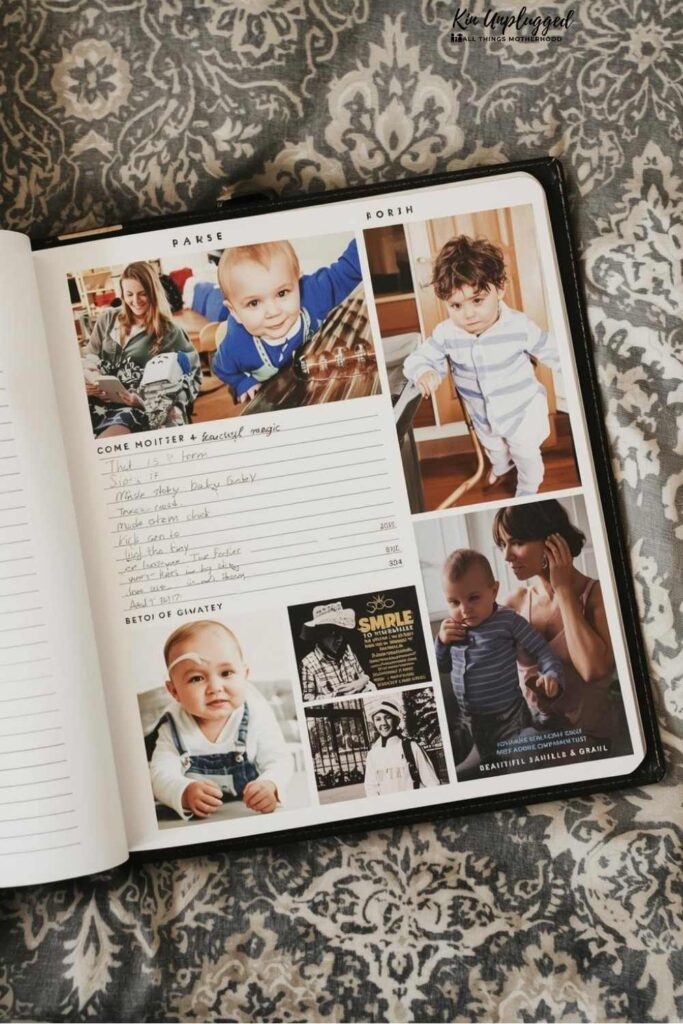
A smart structure for busy moms
You do not need 87 page types. You need a system that lets you keep going without turning this into a second career.
Here’s a simple framework:
| Section type | What goes in it | Why it works |
| Anchor pages | birth, homecoming, first birthday, first holidays | Gives the book a timeline |
| Repeating pages | monthly what life looked like, sleep, feeding, favorites | Makes the book cohesive |
| Story pages | one memorable incident per spread | Brings the book to life |
| Detail pages | tiny hands, toy lineup, sock size, stroller mess | Adds intimacy |
| Context pages | family routines, home, neighborhood, prices, weather, playlists | Makes it feel lived in |
| Legacy pages | letters, family sayings, heirlooms, cultural traditions | Adds depth and ownership |
That table is your escape route from random scrapbooking. You can make the whole book from those six categories.
If readers like systems, point them to how to make a baby book without getting behind.
27 absolutely unique baby scrapbook ideas
1. The what a normal Tuesday looked like spread
Not a milestone. Not a holiday. Just one regular day.
Add photos of breakfast, the sofa pile, a nappy bag that looks like it survived a maritime incident, baby’s mid-morning stare, your coffee, the floor toys, bedtime mess and one sentence per moment.
This works because ordinary life becomes the rarest thing later. Everyone documents the first birthday cake. Hardly anyone documents the exact rhythm of a plain Tuesday.
2. The soundtrack page
List the songs that worked magic that month. The ones that calmed baby, made them kick, sent them to sleep or made you feel slightly less feral in the kitchen.
Add lyrics snippets only in tiny compliant fragments if you must but better still, write what the song did. That is more interesting anyway.
3. The things nobody tells you page
This one is gold. Write down the oddly specific truths of that stage.
Examples:
hated the baby bath but loved the warm towel, would only nap while touching my sleeve, cried at the changing mat like it had personally insulted him, looked at ceiling lights like they were old friends.
That page alone will age beautifully.
4. The monthly toy lineup page
Each month, photograph the toys, books, comfort objects and random household item baby inexplicably preferred over all the proper baby gear. Wooden ring. Silicone spatula. One sock. Remote control, obviously.
5. The family phrasebook page
Write down the phrases you all kept saying. Nicknames. Silly songs. The phrase grandma repeated. The nonsense word sibling invented. The thing you said at 2 a.m. that made everyone laugh so hard it felt medically inadvisable.
These are the details families lose fastest. Which is rude, honestly.
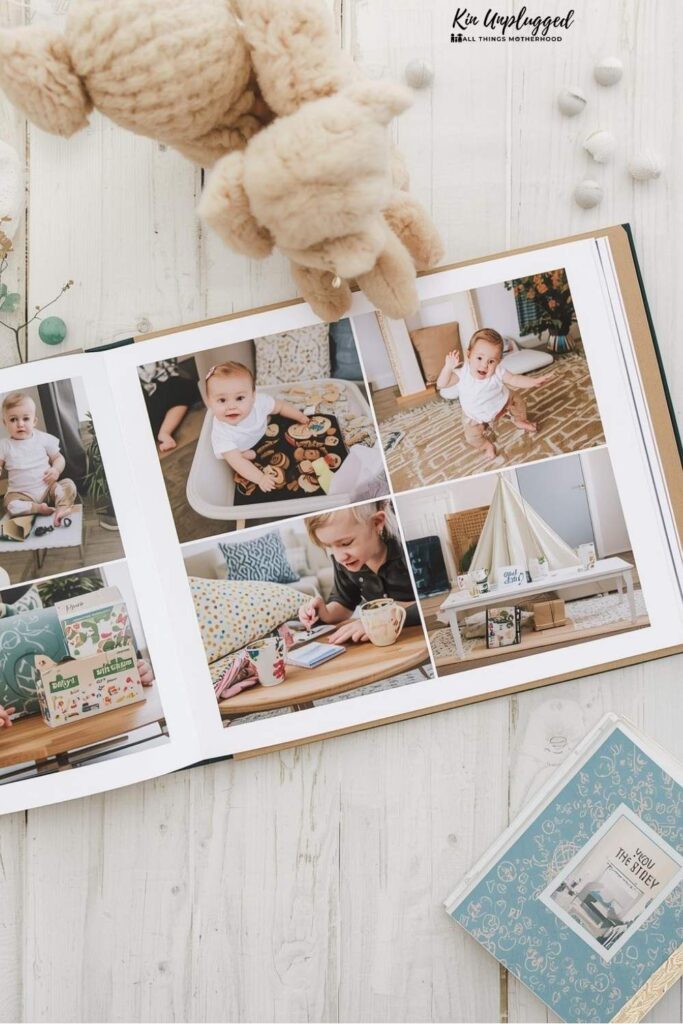
6. The tiny evidence pocket page
Use envelopes or clear archival pockets for the small things: hospital tag, appointment card, first lock of hair if you kept it, first scribble, tiny label from a favourite sleepsuit, a café napkin from your first outing, ticket stub from a day out.
The point is not hoarding. The point is curating proof of real life.
7. The overhead floor map page
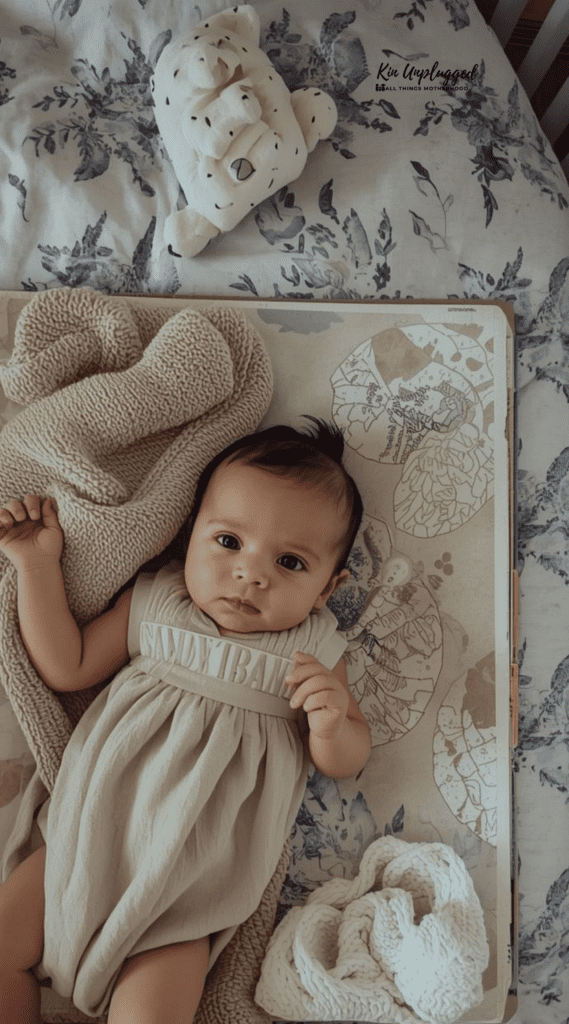
Take one overhead photo of baby on a blanket surrounded by objects from that month: favorite toy, current book, socks, dummy, teether, spoon, tiny cardigan, seasonal item. Add captions around each object.
That page looks good because it is graphic and tidy. It reads well because every object tells a story.
8. The who visited and what they brought page
This is far more interesting than a guest book page. Note who came, what they brought, what they said and what baby did.
Grandad arrived with pears. Auntie brought the cardigan three sizes too big. Your friend came with coffee and the kind of eye contact that said, yes, this is a lot.
Now you have a page with people, not just dates.
9. The weather page
Write down the weather on the day baby was born, the first walk, first snow, first very hot day, first holiday by the sea. Add one line on how it affected the mood, the clothes, the house, the outing.
It sounds small. It is not.
Weather fixes memory in place. It gives atmosphere without forcing sentiment.
10. The price of life page
This one is unusual and fantastic. Add the price of nappies, coffee, strawberries, baby wipes, petrol, rent, postage stamps or the takeaway you ordered in sheer despair.
People love this later. It places the family inside a real time and place.
11. The parent snapshot page
Not posed parent portraits. A list of what you were like in that season.
What you wore on repeat. What you ate. What show you half-watched while holding a sleeping baby. What time you woke up. What made you cry. What made you laugh.
This matters because your child’s early life is also part of your story. Pretending parents were invisible support staff is very odd when you think about it.
12. The home spread
Photograph the chair where feeds happened, the hallway clutter, the cot corner, the changing basket, the pram by the door, the mug you kept reheating. Add the address or neighbourhood and a few lines about the home itself.
Homes change. This page preserves the stage set of family life.
13. The milestone page with actual context
Do not just write rolled over. Write:
rolled from tummy to back on the living room rug while I was trying to answer a message or
first proper laugh happened when her brother pretended to sneeze into a muslin cloth.
Milestones are better when pinned to a scene. Otherwise they read like corporate performance updates from Baby Inc.
14. The one photo, one paragraph spread
Pick one excellent photo and tell the whole story around it. Where it was. What happened before. Why that expression mattered. What nobody else would know from the picture alone.
This is one of the best page types in the entire book because it slows the scrapbook down. It lets one moment breathe.
15. The family tree page
Skip the stiff genealogy chart unless you genuinely love one. Instead, use photos and one sentence per person: what they are like, what they hoped for baby, what they always say, what they brought into family culture.
That page feels warmer and more useful. Readers who want more heritage content can go next to meaningful family keepsake ideas.
16. The things baby loved to look at page
Ceiling fan. Dog. Lampshade. Tree shadows. Dad’s beard. Dishwasher. Their own feet.
This page is funny, strange and incredibly specific. Which is exactly why it works.
17. The clothes memory page
Not every outfit. That way lies madness.
Just the memorable ones: the coming-home outfit, the one with strawberries, the jumper that made everyone emotional, the sleepsuit baby somehow outgrew overnight, the ridiculous hat gifted by a relative with strong opinions.
Add a fabric swatch, tag or tiny printed photo.
18. The firsts page but only the weird firsts
First supermarket stare-down. First restaurant nap. First pool face. First bug notice. First sand touch. First time baby heard the vacuum and looked betrayed.
This is a much better page than the standard firsts list because it actually reveals a personality.
19. The what changed this month page
Use five prompts:
sleep, feeding, movement, noise, favorite thing, hardest part.
Repeat that page every month or every quarter. Suddenly the scrapbook has structure and useful contrast.
This is also excellent for scroll depth because once a reader sees the format, they want to keep seeing later examples.
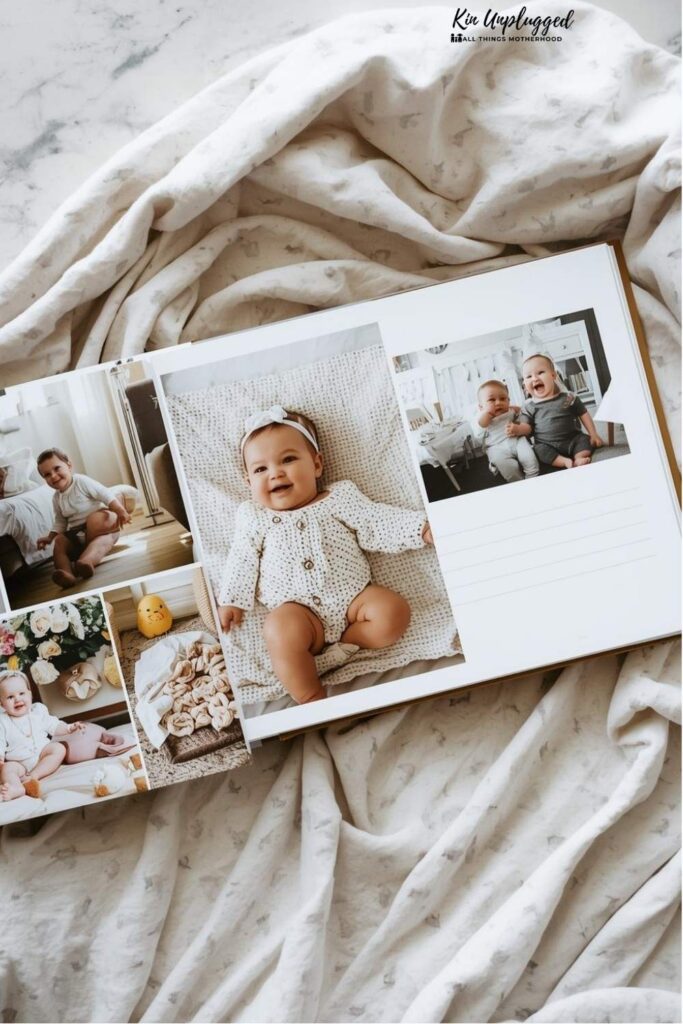
20. The sibling commentary page
If there are older kids, ask them short questions and print their answers exactly as given. Do not tidy the grammar. Do not improve the honesty.
Examples:
What is the baby good at
What makes the baby laugh
What should the baby know about this family
Children say the most revealing things when not managed to death.
21. The map page
Mark the places baby went in the first year: home, grandparents, the first park, clinic, café, holiday spot, favourite walking route, place of worship, library rhyme time, local pond, friend’s house.
You can do this on a real map, a simple illustrated one or even a list with tiny icons. It grounds memory in geography.
22. The letter from the future page
Write a note to your child from one specific stage, not in a grand sweeping voice but in a direct, grounded one.
Example angle: You are six months old and furious every time I put you down, which is inconvenient but also strangely flattering. Then go on from there.
This kind of writing lands because it is intimate, not performative.
23. The texture page
Use safe little bits that match the stage: muslin, knit, ribbon from a gift, fabric from a blanket edge, tiny copy of wallpaper pattern, scanned leaf from the walk route, recipe card paper from the kitchen drawer. Keep it flat and archival-safe.
This page works because scrapbooks should not just show life. They should feel like it.
24. The medical-but-human page
Yes, include the factual things if they matter to you: growth chart, first tooth, appointment dates, feeding changes, sleep shifts. But pair them with one honest line.
Example:
Six month appointment went fine. I still left convinced I was somehow forgetting an entire category of baby care.
Now the page is both useful and alive.
25. The what I wish I’d remembered page
Do this at the end of each quarter. Write what surprised you, what mattered more than expected and what turned out to be nonsense.
That is not just memory keeping. It is perspective. And perspective gives a scrapbook its weight.
26. The family objects page
Choose six objects from baby’s first year and explain why each mattered. Dummy clip. Carrier. White noise machine. One particular storybook. The pram rain cover. The bottle brush that seemed to live in your hand.
This page stands out because objects often hold more memory than posed portraits do.
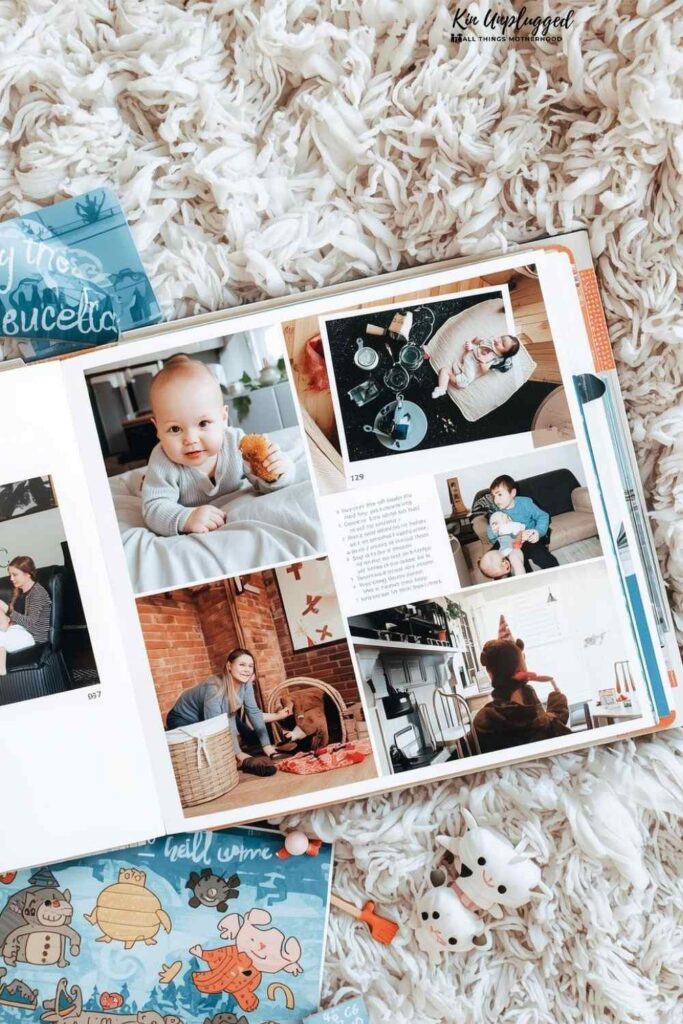
27. The this was us closing spread
End the first-year scrapbook with a broad portrait of family life at that point. What home felt like. What surprised you. What got easier. What stayed hard. What baby brought into the family that was new.
Not a neat moral. Not some polished nonsense about every second being precious. Just the truth, shaped well.
That is the page people reread.
Scrapbook themes that are not gimmicky
If you want the whole book to have a stronger identity, pick one of these themes and let it guide the layouts:
| Theme | What makes it different | Best for |
| Documentary family life | real routines ordinary days, candid notes | moms who hate cheesy pages |
| Storybook year | one short story per month | families who love writing |
| Object-led memory book | each spread built around one keepsake or item | minimalists |
| House and season scrapbook | rooms, routines, weather, seasonal shifts | home-focused memory keepers |
| Family voicebook | quotes, sayings, text messages, sibling comments | lively households |
| Map and place book | walks, neighbourhood, trips, rooms, routes | families who move or travel |
| Time capsule scrapbook | prices, news, trends, family routines, playlists | readers who love context |
Any of these can be used without making the book look overdesigned. That is the sweet spot.
How to make it look calm and readable
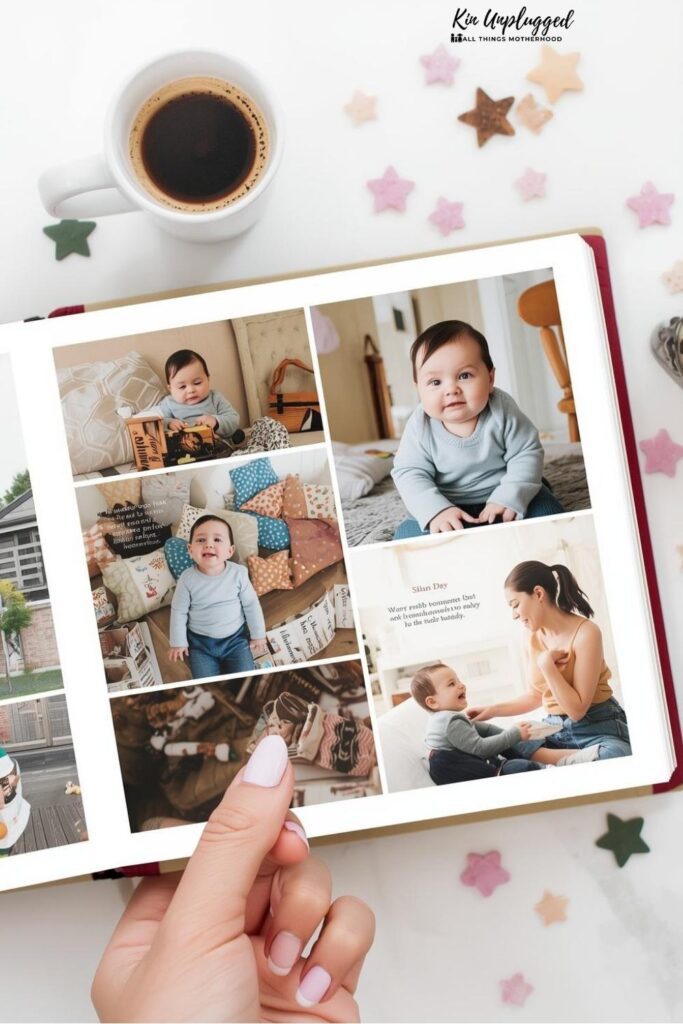
Keep the layout simple. One focal photo, one secondary image, one note card, one small embellishment if needed.
White space is not wasted space. It is what stops a scrapbook from looking like a craft shop clearance bin.
Use short captions. Three sentences max per journaling block works beautifully for tired readers and tired future-you.
And repeat elements. Same date placement. Same monthly prompt box. Same photo corner style. Repetition makes the whole book look intentional.
How to make it easier to keep going
This matters because half the internet seems to assume mothers have endless time and a fully staffed stationery cupboard.
Use a batch system:
print photos once a month, keep a small envelope for scraps, jot notes in your phone, then assemble two or three pages at a time.
Also, decide now that not every month gets equal coverage. Some months are rich. Some months are survival with socks. Both are allowed.
If readers need help keeping up, send them to realistic memory keeping for busy moms.
What not to do
Do not use thick, lumpy embellishments on every page unless you want the album to warp like it has developed opinions. The Library of Congress advises choosing thick enough album leaves to support the added material and not overloading them with unstable attachments.
Do not use random glue sticks, mystery tape or sticky magnetic pages and then act shocked when things yellow, peel or fuse together over time. The National Archives and Library of Congress both recommend stable, photo-safe storage and mounting methods instead.
And do not wait for every photo to be perfect. A scrapbook built from real life is better than a perfectly planned one that never gets made.
FAQs about unique baby scrapbook ideas
These are based on common Google-style questions people search around baby scrapbooks and memory books.
What should I put in a baby scrapbook?
The best baby scrapbooks include photos, short stories, tiny keepsakes, family notes, milestone context and details from everyday life. Go beyond the basics and include routines, nicknames, favorite objects, family sayings and home details too.
How do I make a baby scrapbook unique?
Make it specific. Use real family language, unusual firsts, repeated monthly prompts, one-photo story pages, local context and details only your family would know.
What is the difference between a baby book and a baby scrapbook?
A baby book is usually more structured and guided, while a baby scrapbook is more flexible and design-led. A scrapbook gives you more room for photos, pockets, mixed media and story-based layouts.
What are the best materials for a baby scrapbook?
Use acid-free, lignin-free paper and photo-safe storage materials. The Library of Congress recommends stable plastics like polyester, polypropylene or polyethylene and advises against self-adhesive tape, staples and rubber bands for long-term preservation.
Is it safe to glue photos into a scrapbook?
The safest option is usually to avoid direct glue on photographs. The U.S. National Archives recommends acid-free pages, sleeves or photo corners made from stable plastic or acid-free paper instead of relying on adhesive mounting.
How many pages should a baby scrapbook have?
There is no perfect number. A strong scrapbook can be 20 pages or 80 pages, as long as the pages feel intentional and readable.
What are good baby scrapbook themes?
Documentary family life, storybook year, object-led memory book, house and season scrapbook, family voicebook and time capsule scrapbook are all fresh options that feel more original than the standard pastel milestone approach.
How do I scrapbook if I’m a busy mom?
Use a repeated page structure, batch print photos monthly and keep notes in your phone as life happens. The goal is not perfection. The goal is a finished book that still feels like your family.
Finally…
The best baby scrapbook is not the prettiest one on a shelf. It is the one that still feels alive years later.
That means fewer generic pages, more actual family life and far more trust in the tiny details that seem too ordinary to matter right now. They matter. In fact, they are usually the whole story.
 0
0

 278
278