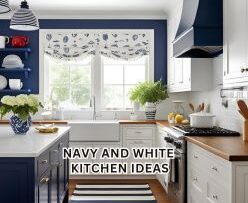


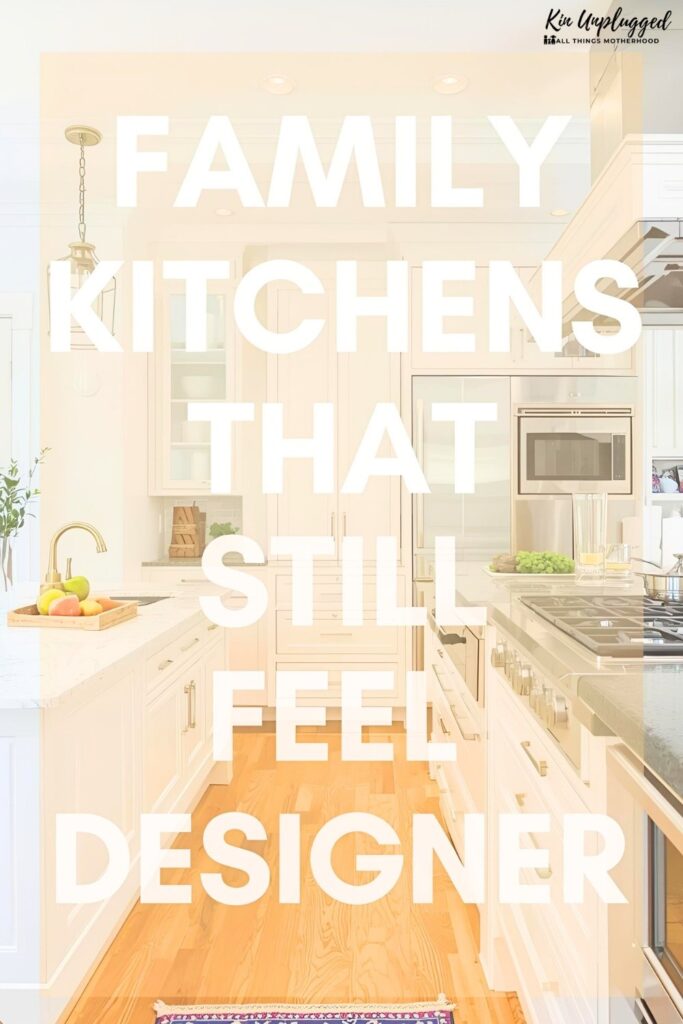
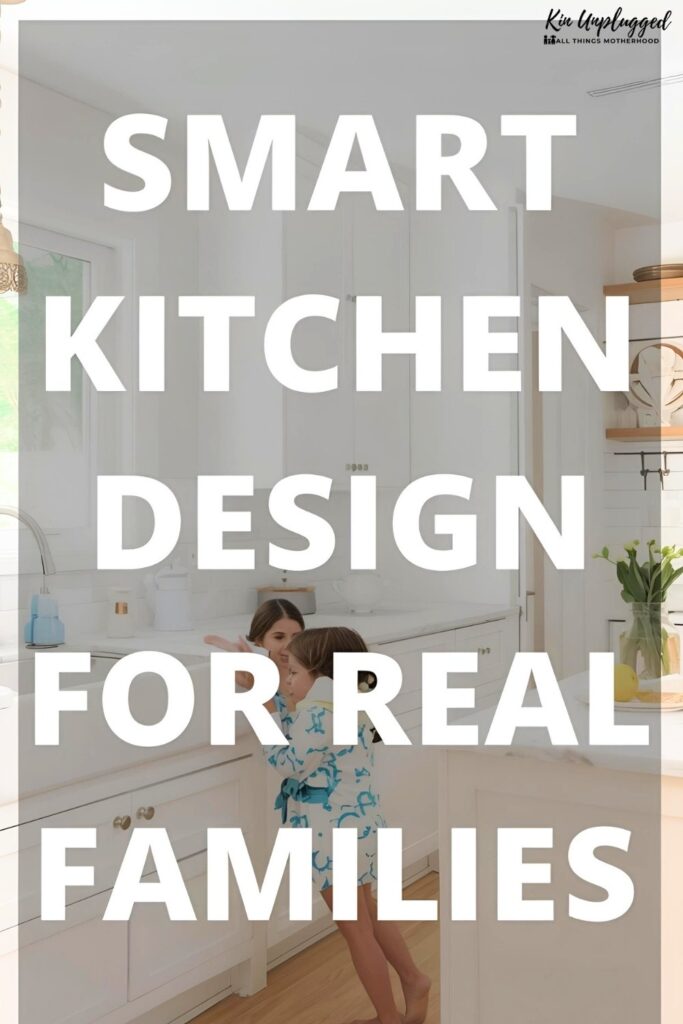
Yes, a kitchen can be both family-proof and stylish. The secret is combining timeless foundations (neutral cabinetry, stone/quartz counters, layered lighting) with smart child-first features (durable surfaces, reachable snack zones, hidden storage). In this article, you’ll find research-informed ideas, realistic styling tips, mistakes to avoid and everything you need to turn a functional family kitchen into a beautiful, long-lasting space.
Shop my favorite kid-proof yet chic bar stools here
Why parents worry…and why you don’t need to
Many people assume kid-friendly equals plastic and obvious but that’s a false choice. Kids need durable, low-maintenance surfaces and clear routines. Parents want an attractive space that they enjoy and that holds value. The best family kitchens combine both durable materials hidden in a high end palette and intentional zones for play, learning and snack retrieval.
Design once, live well for years
Build on a classic base (neutral cabinets, warm wood, stone or quartz counters) and layer in flexible, replaceable elements (textiles, inserts, hardware). That way the heavy, expensive bits stand the test of time while finishes and accessories adapt as kids grow.
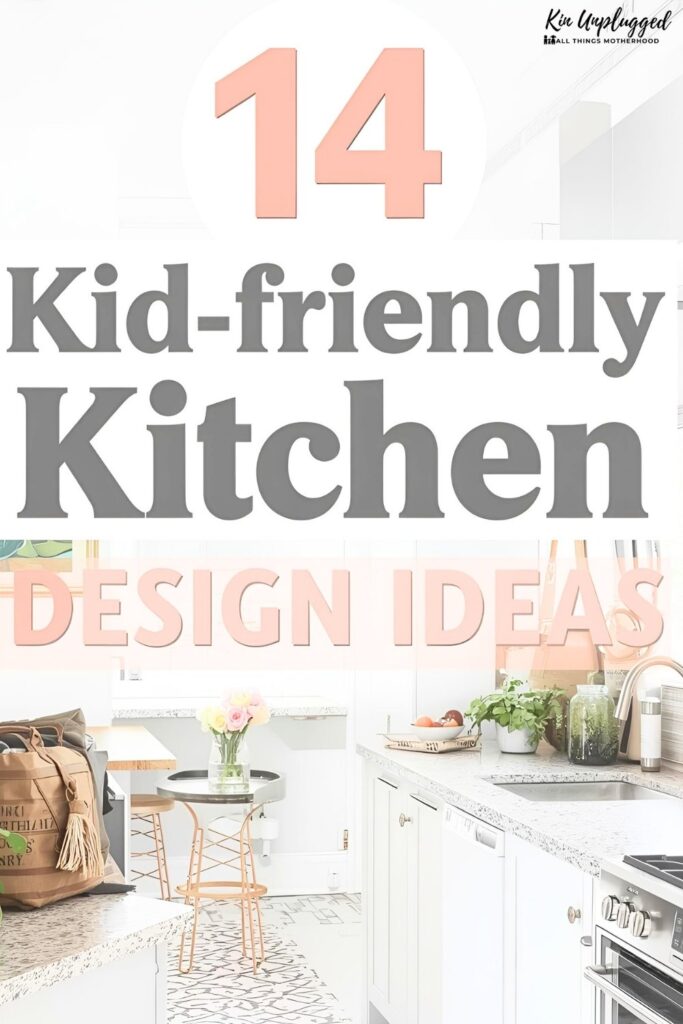
14 Kid-friendly Kitchen design ideas that still look chic
Below each idea you’ll find why it works, how to style it so it looks grown-up and a practical tip to implement it.
1) Quartz or engineered stone countertops — practical luxury
Why it works. Quartz resists stains, etching and most daily abuse while offering a high-end look that mimics marble without the upkeep.
Style tip. Choose a subtle veining or soft matte finish for a luxe but lived-in aesthetic. Pair with warm wood lower cabinets or black hardware for contrast.
Practical tip. Use a slightly darker grout or integrated backsplash so crumbs and dry spills don’t look like permanent flaws.
2) Rounded or chamfered counter edges — safety that’s sophisticated
Why it works. Softened edges reduce injury risk without sacrificing modern design lines. Contemporary rounded islands or subtly chamfered edges.
Style tip. Match edge profiles across counters and island to keep the design cohesive. A waterfall edge can be both dramatic and safe if corners are radiused.
Practical tip. Ask your fabricator for a 3 – 6 mm radius rather than a large bullnose to keep the profile sleek.
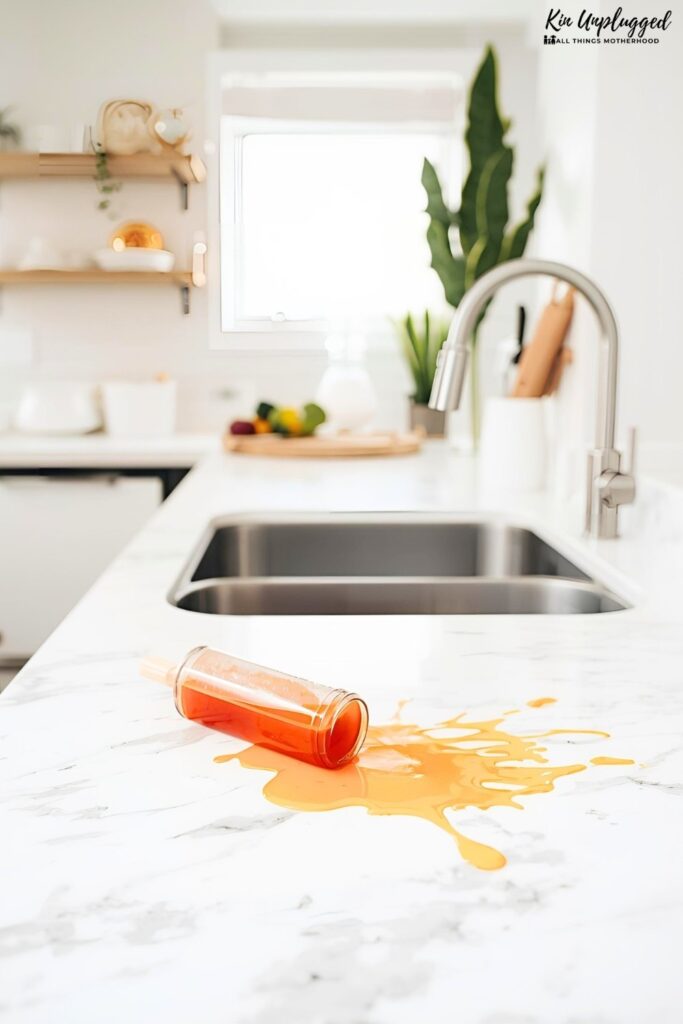
3) Hidden storage and kid-height zones — hide the mess, keep independence
Why it works. Little ones love to help (and raid). Designated, reachable drawers for snacks, plates and cups give them autonomy and keep counters tidy. Toe-kick drawers and pull-out pantries hide clutter.
Style tip. Keep fronts continuous (integrated panels, handleless pulls) so kid features blend into the cabinetry.
Practical tip. Label with icons (cup, snack, fruit) so pre-readers can find things easily.
4) Dual height islands — One island, many uses
Why it works. Split islands let adults prep at counter height while kids sit or do homework at a lower surface. It’s a family hub that doesn’t scream kid table.
Style tip. Use different surface materials for each level (quartz on the prep side, durable wood or matching quartz lowered for kids) to create visual separation.
Practical tip. Build lower seating with knee space and a small overhang so kids can sit comfortably.
5) Durable, washable fabrics — luxe that wipes clean
Why it works. Modern performance fabrics (Crypton, Sunbrella indoor lines) repel liquids and resist stains while retaining texture and color. They look premium. Unlike cheap vinyl.
Style tip. Opt for neutral upholstery shades with subtle weave or texture so crumbs and smudges camouflage.
Practical tip. Choose removable cushion covers on bench seating for easy washing.
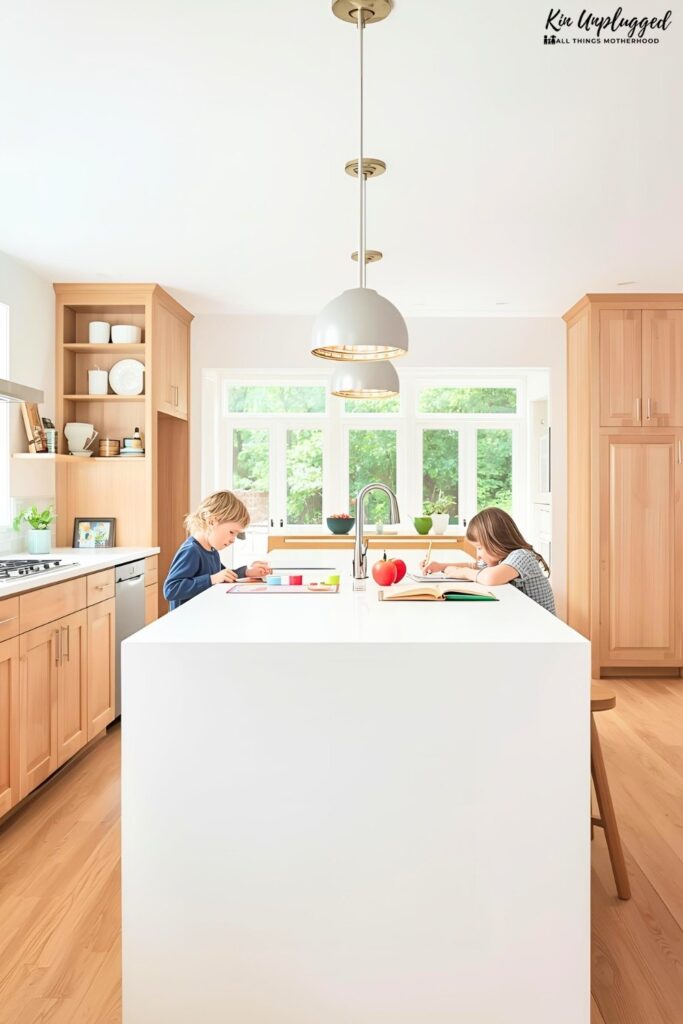
6) Magnetic or gallery wall for art — Intentional display, not fridge mess
Why it works. A dedicated art wall (magnetic primer and chic paint color) makes children’s work feel like part of the decor, not clutter.
Style tip. Paint the gallery wall in a muted, grown-up color (sage, navy, terracotta) so kids’ art pops underneath. Use thin black or wood frames for rotation.
Practical tip. Install a slim magnetic rail or cork strip at kid height for quick swaps.
7) Child-friendly pantry tech and organization — Teach independence
Why it works. Clear, labeled bins, tiered shelving and motion-sensor lights make it easier for kids to serve themselves without a mess.
Style tip. Keep adult food on higher shelves and use uniform storage vessels so the pantry reads like a shop instead of chaos.
Practical tip. Reserve one shelf for kid snacks and refill it weekly to streamline choices.
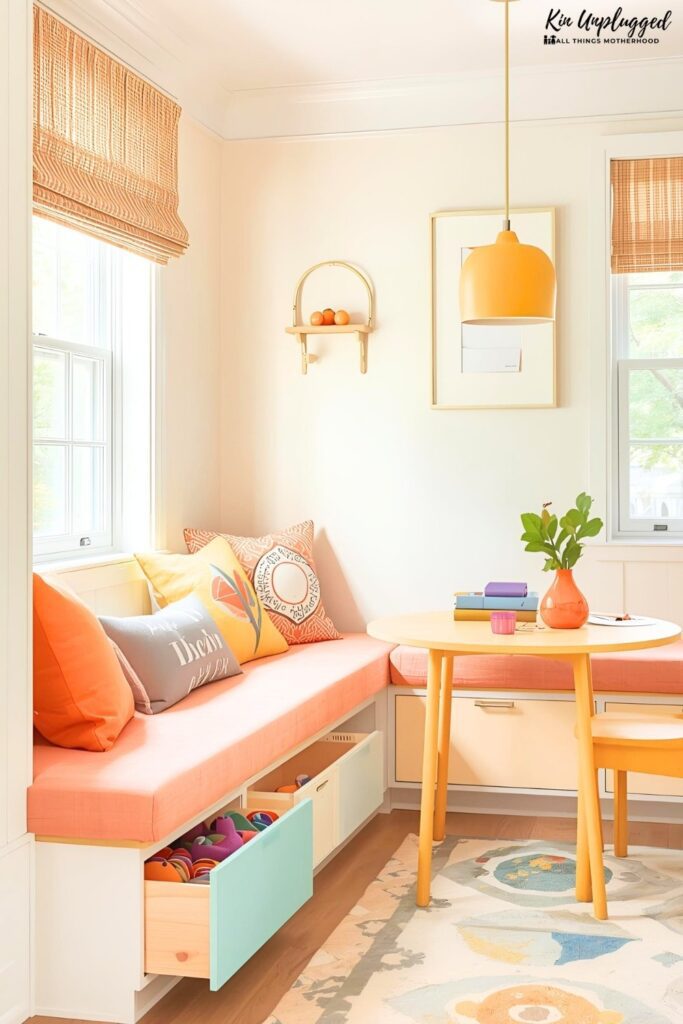
8) Built-in banquette seating with storage
Why it works. Banquettes maximize seating and tuck storage underneath (think puzzles, placemats, extras). They’re safer than movable chairs for little ones.
Style tip. Upholster in a durable but neutral fabric and anchor with a table finished in wood or stone to match the kitchen’s palette.
Practical tip. Add soft close hinges on storage to prevent pinched fingers.
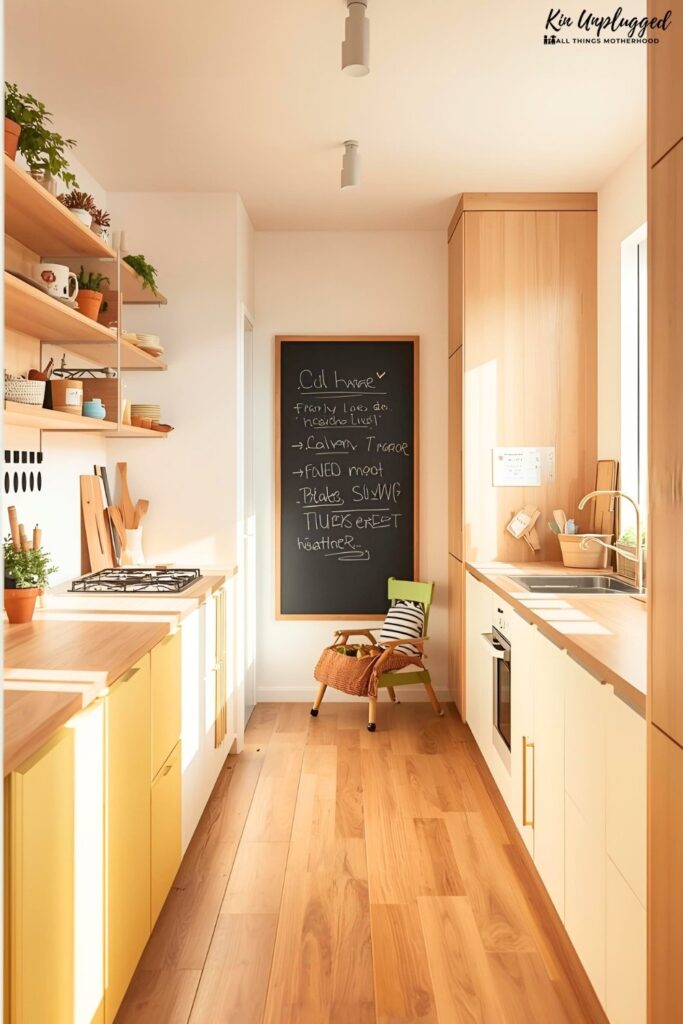
9) Flooring that works (and looks good) — Real family flooring
Why it works: Vinyl plank, large-format ceramic tile or sealed hardwood give you durability and style. Choose slip-resistant finishes to prevent spills from becoming slips.
Style tip. Use wide planks or large tiles in muted tones to visually enlarge the space while hiding wear.
Practical tip. Keep rugs washable or use machine-washable runner runners with non-slip pads.
RELATED: Lockdown with Luvanto Vinyl Flooring
10) Smart Lighting
Why it works. Layered lighting (ambient, task and accent) makes the kitchen usable for everything from homework to late-night snacks. Undercabinet LEDs help with prep and hide grime shadows.
Style tip. Choose warm white (2700 – 3000K) for a cozy feel. Use dimmers to adjust for evening calm. Statement pendants should be shatter-resistant or high-positioned over prep areas.
Practical tip. Use motion sensors in walkthrough zones for hands-free convenience.
11) Appliance choices that make life easier — Family-friendly tech
Why it works. A dishwasher with a third rack, a drawer microwave and a fridge with easy-access snack drawers reduce countertop clutter and speed routines. Opt for rounded or recessed handles to avoid snags.
Style tip. Panel-ready appliances keep a minimalist, chic look while delivering family-grade performance.
Practical tip. Choose appliances with eco modes to reduce utility bills and stress.
12) Soft close hardware and child-safe locks — Small details, big difference
Why it works. Soft-close drawers reduce slammed fingers; magnetic cabinet locks keep cleaning products secure. Both are invisible to the eye.
Style tip: Match hardware finish (matte black, brushed brass) across the kitchen for cohesion. Don’t use childproof gear that looks industrial or out of place.
Practical tip. Select magnetic locks that are easy for adults but out of reach of kids.
13) Color psychology and accent strategies
Why it works. Colors affect behavior. Calming neutrals or muted accents (sage, dusty blue, terracotta) create a grown-up canvas that still feels warm and playful. Avoid overstimulating brights on large surfaces.
Style tip: Add kid-friendly pops via small accessories (placemats, dishes) you can rotate easily as tastes change.
Practical tip: Keep major surfaces neutral and use paint on an accent wall or banquette to introduce color.
14) Intentional decluttering systems — Keep surfaces beautiful
Why it works. A clear counter equals visual calm. Use appliance garages, lift-up doors and dedicated charging drawers to hide everyday stuff.
Style tip: Hidden systems let you preserve a minimalist look even on busy mornings.
Practical tip: Schedule a 5-minute nightly reset to clear homework and dishes so morning starts are smoother.
Materials cheat-sheet (quick comparison)
- Quartz. Low maintenance, stain resistant, modern look — best overall for families.
- Sealed hardwood. Warm and lasting, needs occasional refinishing — great for style and warmth.
- Vinyl plank. Very durable, budget-friendly, wide design options — best for heavy traffic.
- Large tile. Hardwearing and easy to clean, can feel cold — best near wet zones.
Rules to know…and when to bend them
The “kitchen 3 rule” (work triangle) is helpful for efficiency, but families need zones: a snack station, homework area and adult prep zone. Modern family kitchens lean toward multiple micro-zones rather than a single triangle.
When to bend. If your household spends a lot of time in the kitchen as a hub, prioritize seating and storage over strict triangle geometry. When to keep it. If you cook gourmet meals regularly, preserve the work triangle for speed.
3 Budgeting hacks and renovation priorities
If you have to choose:
- Invest in durable surfaces (countertops, flooring) — expensive to replace later.
- Spend smart on layout (island/function) — improves daily life and resale.
- Save on paint, hardware and textiles — they’re easy to swap.
Budget tip. Choose a classic, high-quality base and update color/soft goods every few years to keep the space feeling fresh.
3 Common mistakes parents make (and how to avoid them)
Chasing every trend. Pick one trend accent and keep the rest timeless.
Placing kid storage too low without boundaries. Use bins and labels to teach responsibility.
Choosing “cute” over durable. Upholstery and surfaces should be performance rated.
5 Checklist before you start a remodel
- Define the primary family activities in your kitchen (cooking, homework, homework with crafts).
- Choose foundational materials (floor, counters, cabinets) you’ll live with for 10+ years.
- Plan reachable storage for kids and hidden storage for adult clutter.
- Decide on a cleaning strategy (materials and appliances that simplify upkeep).
- Confirm safety features (rounded edges, anti-slip floors, soft-close).
FAQs
Q: What color cabinets are timeless?
A: White, soft gray, deep navy and natural wood finishes are perennially popular. Add interest with textured handles or a contrasting island.
Q: Are open shelves practical with kids?
A: Yes. If you reserve them for adult items high up and keep kid essentials in closed lower cabinets.
Q: What flooring is best for spills and crumbs?
A: Luxury vinyl plank or large ceramic tiles are both easy to maintain and stylish.
Q: Can a chic kitchen survive messy kids?
A: Absolutely. The trick is designing with durable materials and systems that make messes invisible (hidden storage, washable textiles, clear routines).
Ready to design a kitchen that’s both stylish and built for real family life? Choose materials and create a plan you’ll love for years.
 0
0

 278
278