
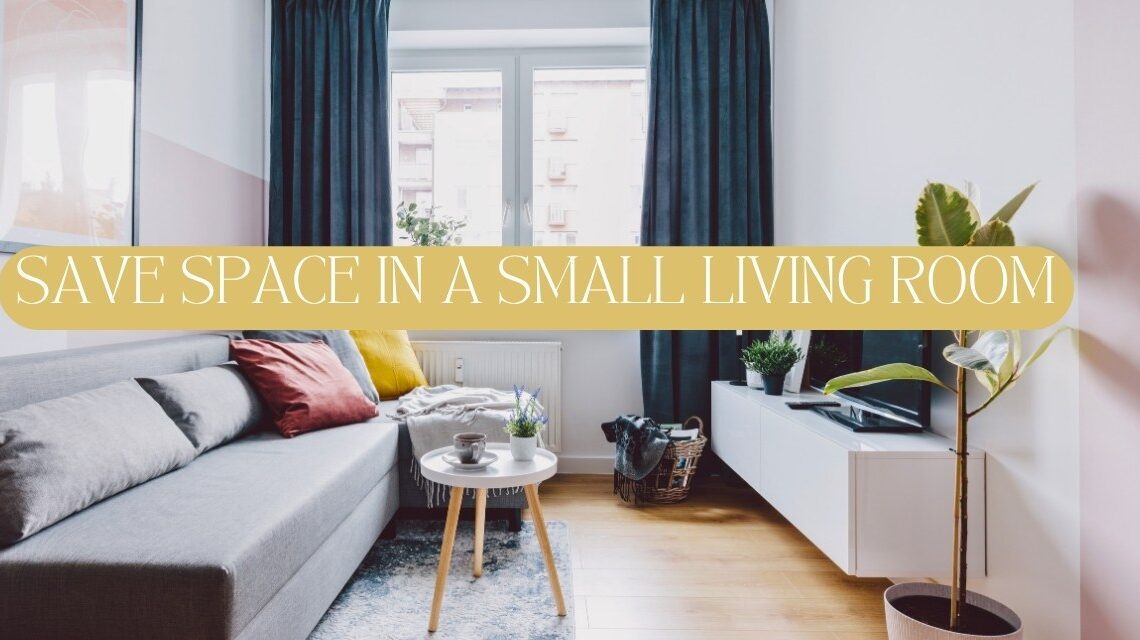
Small living rooms get cluttered fast especially once children, laundry piles, toy baskets, blankets, chargers, snack bowls and the mysterious collection of tiny plastic things begin quietly multiplying in corners.
The good news is that saving space in a small living room does not always mean buying expensive furniture or turning the room into a beige showroom where nobody is allowed to exist comfortably. Some of the smartest small living room ideas are surprisingly simple. A few are slightly strange. Several feel almost suspiciously effective once you try them.
READ NOW: 28 Fall Living Room Makeovers That Feel Warm and Modern
A lot of homes are carrying too much visual weight. Too many flat surfaces. Too many bulky shapes sitting low to the ground like tired furniture hippos.
And honestly, most small-space advice online feels like it was written for people who own exactly one candle and no children.
That is not real life.
READ: Understanding the difference: Family room vs. Living room
The best small living rooms work because they quietly remove friction from everyday routines. Things become easier to reach. Easier to tidy. Easier to move around. Easier to breathe in.
Some of these ideas may seem small initially. Then suddenly the room feels different. Lighter. Quieter. Like the furniture finally stopped arguing with each other.
If the living room constantly feels one toy explosion away from emotional collapse, these ideas help more than another decorative basket ever will.
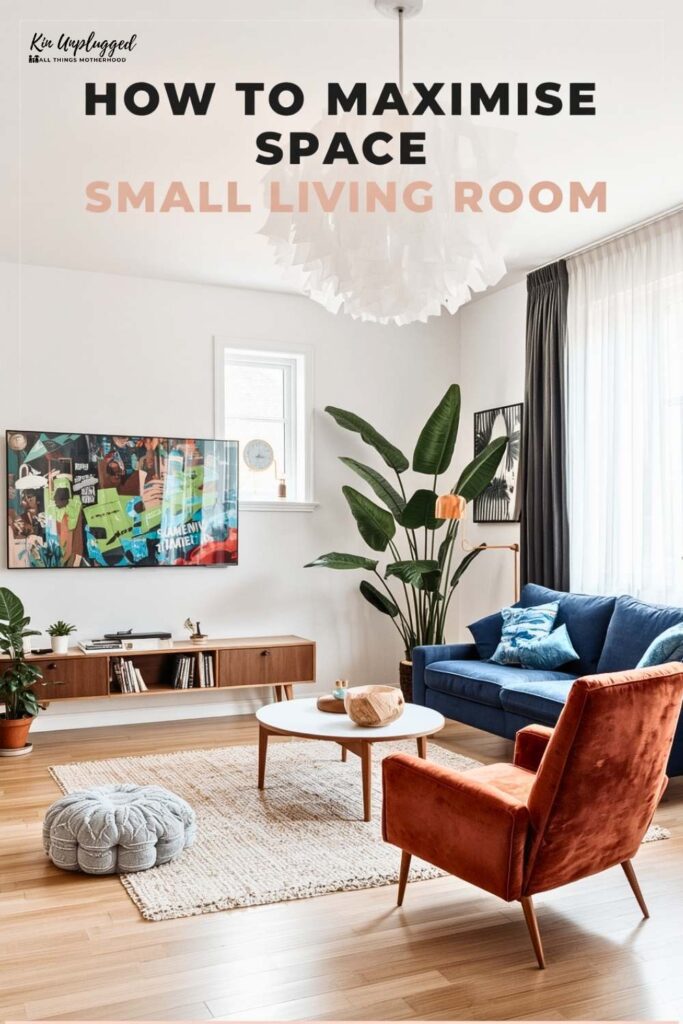
Stop treating the walls like they are decorative only
Most small living rooms have plenty of unused vertical space. The walls are just standing there doing absolutely nothing while the floor slowly disappears under furniture.
Tall storage works because it shifts visual attention upward. According to research from the National Association of Home Builders, vertical storage solutions can significantly improve perceived spaciousness in smaller homes.
But the trick is making vertical storage feel intentional instead of classroom-adjacent.
Try:
- slim picture ledges for books and framed photos
- vertical toy hammocks in corners
- wall baskets for throws and soft toys
- floating cabinets above sofas
- mounted magazine holders for tablets and colouring books
A narrow vertical shelf beside a sofa can hold more useful things than a chunky side table while taking up less visual space.
And visually, it feels calmer.
That matters more than people realise.
Use “dead zones” that furniture stores ignore
Furniture shops always style rooms like nobody has:
- children
- laundry
- cables
- board games
- emotional support blankets
But real homes have strange little dead zones everywhere.
The awkward 7-inch gap beside the sofa. The ignored space under windows. The weird corner behind the door where nothing ever happens except dust accumulation and mild resentment.
Those spots are valuable.
Tiny overlooked spaces that can secretly work harder
| Dead Space | Surprisingly Useful Fix |
| Behind the sofa | Slim console table with baskets |
| Under window | Lift-top bench storage |
| Side of TV unit | Rolling cart |
| Corner beside radiator | Ladder shelf |
| Under coffee table | Flat toy drawers |
| Behind armchair | Vertical charging station |
A slim rolling cart beside the sofa can become:
- homework storage
- snack station
- charging hub
- colouring trolley
And suddenly the room stops collecting random objects like a magnet.
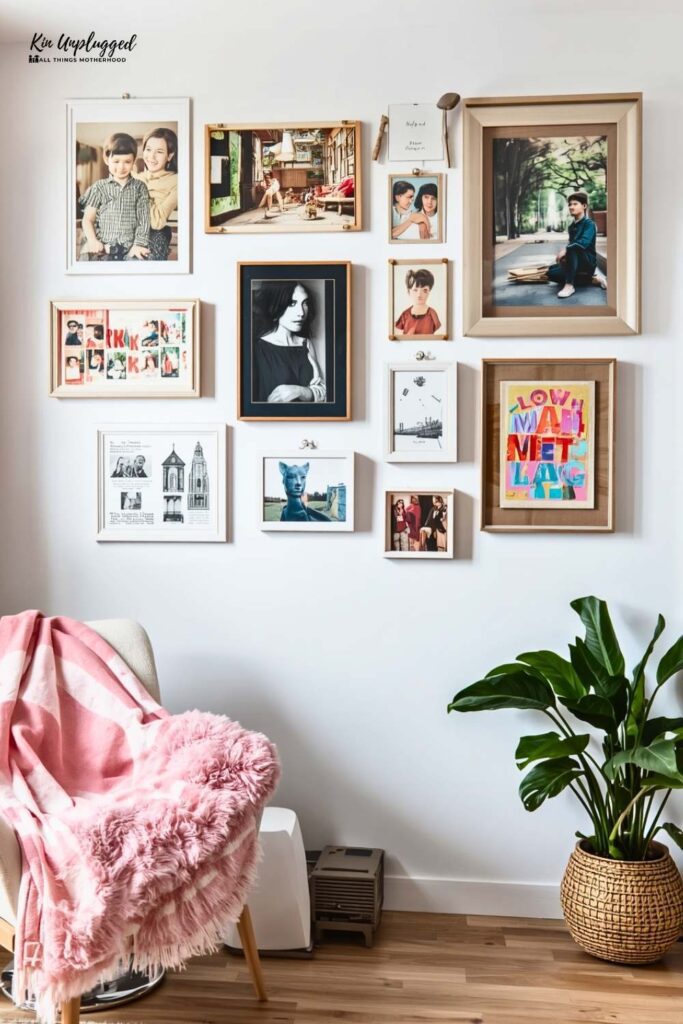
Pull furniture away from the wall slightly
This sounds backwards. Because instinct says:
push everything against the wall and pray for space.
But slightly floating furniture can make a room feel larger because it improves movement flow and creates visual breathing room.
Interior designers use this constantly in smaller European apartments.
Even 3 to 5 inches helps.
Especially with sofas.
Rooms feel cramped when furniture looks glued into corners like it is trying to survive a flood.
Replace one large coffee table with two smaller mobile pieces
Large coffee tables are space bullies.
They sit in the middle of the room demanding permanent floor space while everyone walks around them holding shin injuries and juice cups.
Two smaller movable tables work better for families because they adapt throughout the day.
Morning:
- pushed together
Afternoon:
- separated for play
Evening:
- moved aside completely
Nesting tables work brilliantly for this.
So do upholstered cubes with hidden storage.
Store things where they are used
This sounds obvious until you notice how many homes make daily life harder for no reason.
Children play in the living room but their toys are stored upstairs.
Chargers are needed near sofas but hidden in kitchen drawers.
Blankets are used nightly but folded somewhere decorative and inconvenient.
Small living rooms improve dramatically once storage follows actual behaviour patterns.
Not aspirational behaviour.
Actual behaviour.
A small basket beside the sofa for:
- chargers
- remotes
- lip balm
- notebooks
- random tiny things
can quietly save hours of visual irritation every month.
Use lamps attached to walls instead of floors
Floor lamps consume more space than people realise.
Especially the dramatic arching ones that look like they belong in luxury hotels occupied by people who have never stepped on Lego.
Wall-mounted lighting instantly frees floor space.
It also makes rooms feel cleaner visually because fewer objects are interrupting sightlines.
According to the American Lighting Association, layered lighting improves both room function and perceived comfort in compact spaces.
Battery-powered sconces are especially useful for renters.
No electrician. No complicated setup. No giant lamp base lurking beside the sofa like a metallic flamingo.
Hide storage inside soft furniture
Hard storage can make small rooms feel heavier.
Soft storage blends better visually.
Some of the best hidden storage pieces include:
- ottomans
- benches
- poufs
- storage stools
- lift-top coffee tables
Especially for family homes.
Because honestly, children produce objects at a supernatural rate.
The room may look clean for approximately four minutes.
Then suddenly:
- crayons
- socks
- tiny dolls
- mystery paper scraps
appear from nowhere like the house itself is generating clutter.
Soft hidden storage absorbs that beautifully.
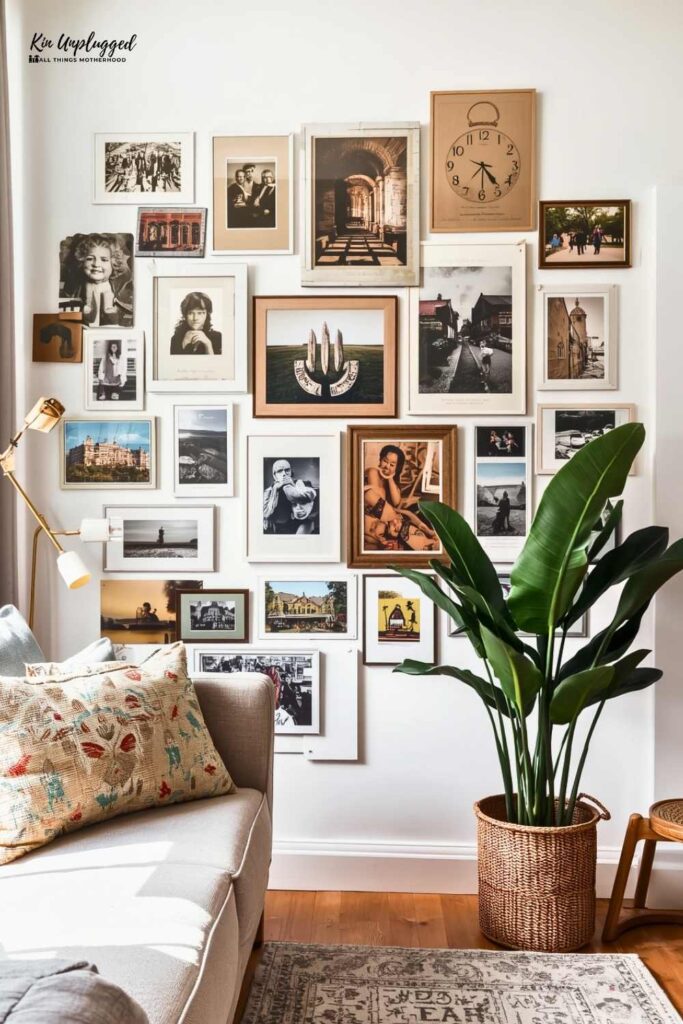
Turn one wall into a rotating family wall
This works surprisingly well psychologically.
Instead of random artwork scattered everywhere, dedicate one wall for:
- children’s drawings
- family photos
- seasonal prints
- postcards
- memory boards
It reduces visual clutter throughout the rest of the room because loose sentimental items stop spreading everywhere else.
And emotionally, it makes the room feel lived in instead of staged.
That matters.
Homes should support people. Not intimidate them.
Stop buying square storage baskets only
This is strangely specific but important.
Square baskets waste space in awkward corners.
Flexible storage shapes work better in small living rooms:
- tall narrow baskets
- corner hampers
- curved bins
- hanging storage
Corners become more usable instantly.
Especially near sofas.
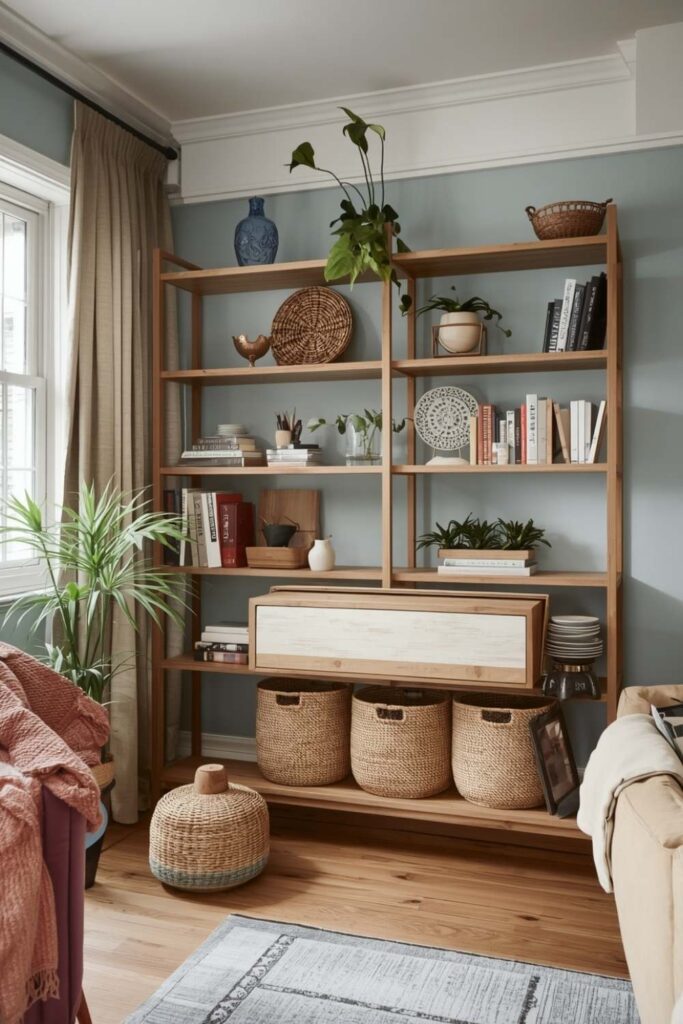
Use double-duty pause spaces
Small living rooms struggle when every item has only one purpose.
The smartest rooms use layered functionality.
A window bench can become:
- seating
- storage
- reading area
- toy hiding spot
A console table behind the sofa can become:
- workspace
- homework station
- snack area
- charging shelf
The goal is not squeezing more furniture into the room.
It is reducing how many separate pieces are needed overall.
That is different.
Lower visual noise before adding storage
This is where many small spaces go wrong.
People add more baskets. More shelves. More organisers.
But the room still feels stressful.
Often the issue is visual fragmentation.
Too many:
- colours
- textures
- tiny decor pieces
- open shelving items
Research published in the Princeton University Neuroscience Institute found that visual clutter competes for attention and can increase cognitive overload.
Small rooms feel calmer when fewer things are visually shouting at once.
Even simple changes help:
- matching baskets
- fewer tiny ornaments
- concealed cables
- grouped objects instead of scattered ones
Try “invisible” furniture whenever possible
Glass tables.
Acrylic chairs.
Open-frame shelving.
These visually disappear more than chunky furniture.
That does not mean the room needs to look futuristic and emotionally unavailable.
It just means reducing visual heaviness.
Acrylic side tables work especially well in family homes because they still function without visually crowding the room.
Use curtain tricks that quietly make ceilings look taller
Most people hang curtains too low.
Tiny mistake. Massive impact.
Curtains mounted closer to the ceiling create the illusion of taller walls and larger rooms.
And in small living rooms, perception matters almost as much as square footage.
Light-filtering curtains also soften rooms beautifully without making them dark.
Heavy curtains can make compact rooms feel slightly emotionally exhausted.
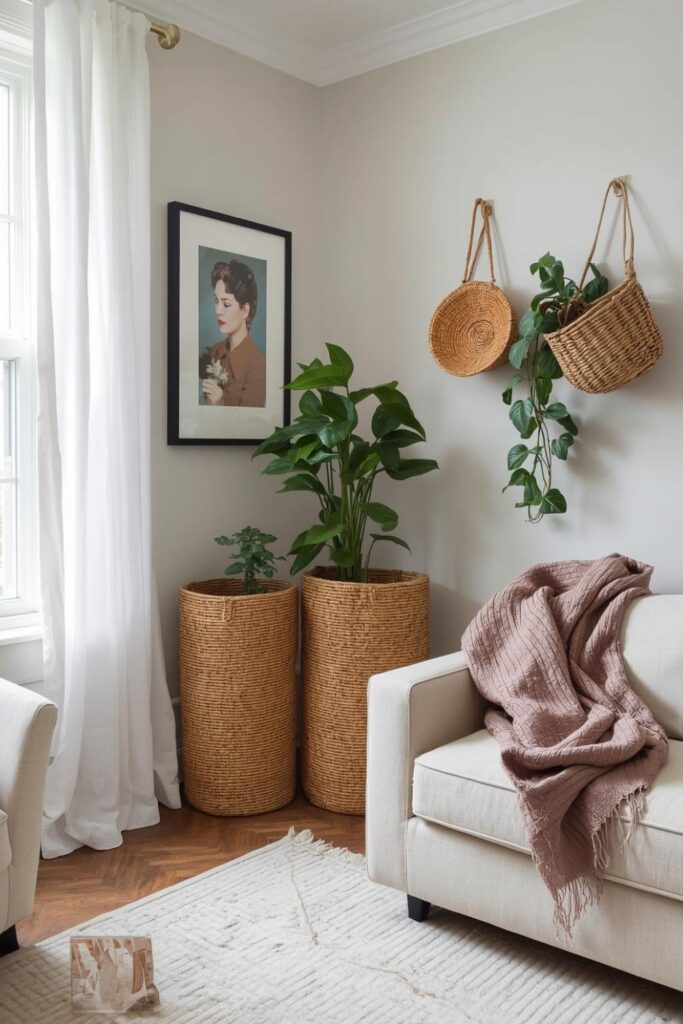
Add storage where people naturally pause
This changes everything.
Watch where people stop:
- beside the sofa
- near the entryway
- next to the TV
- beside the armchair
Those pause points usually attract clutter because objects get dropped there repeatedly.
Instead of fighting that pattern, support it.
Tiny tray.
Slim basket.
Wall hook.
Charging drawer.
The room instantly feels easier to maintain because the home is cooperating with human behaviour instead of resisting it.
Use toy rotation instead of giant toy storage
This is one of the biggest small-space shifts for parents.
Children do not need every toy visible simultaneously.
In fact, studies from the University of Toledo found that fewer available toys can support longer and more focused play sessions.
Large toy collections overwhelm rooms quickly.
Rotating toys:
- reduces clutter
- improves attention
- keeps the room calmer visually
And honestly, children rediscover “old” toys like tiny archaeologists finding buried treasure.
Let empty space exist on purpose
Not every corner needs:
- a basket
- a lamp
- a chair
- a decorative twig arrangement attempting emotional significance
Blank space helps small rooms breathe.
This is especially important in homes with children because movement space matters emotionally as much as physically.
Rooms feel calmer when the eye has somewhere to rest.
Hide cords aggressively
Cables are tiny visual gremlins.
They make rooms feel messy faster than almost anything else.
Cord covers.
Cable boxes.
Mounted extension leads.
All surprisingly effective.
Especially near televisions.
Because nothing destroys a calm room faster than a tangled black wire colony reproducing beside the skirting board.
Use weekend furniture layouts
This one is unusual but genuinely useful.
Some families benefit from slightly shifting the room layout for weekends.
For example:
- nesting tables moved aside
- floor cushions brought out
- toy basket temporarily relocated
Then reset Sunday evening.
Small living rooms sometimes work better when they adapt rhythmically instead of staying frozen in one layout permanently.
Especially with children.
Homes are living systems.
Think in movement paths not furniture pieces
This changes how rooms function immediately.
Instead of asking:
“Where does the sofa go?”
ask:
“How do people move through this room every day?”
Small spaces improve once pathways feel smoother.
The room should allow:
- walking without sidestepping furniture
- quick toy tidying
- easy snack carrying
- relaxed movement during busy evenings
A room can technically fit furniture and still function terribly.
That distinction matters.
Frequently Asked Questions
How do you save space in a very small living room?
Use vertical storage, furniture with hidden storage, movable tables and wall-mounted lighting. The biggest improvement usually comes from reducing visual clutter and improving movement flow rather than simply buying more storage containers.
What furniture works best in a small living room?
Multi-functional furniture works best. Storage ottomans, nesting tables, lift-top benches and slim-profile sofas help maximise floor space while reducing clutter.
How can a small living room look bigger?
Lighter colours, higher curtain placement, open furniture legs, mirrors and reduced visual clutter can all help a room feel larger. Floating furniture slightly away from walls can also improve perceived spaciousness.
How do families keep a small living room organised?
Toy rotation, hidden storage, designated clutter-drop zones and realistic daily systems help significantly. The most effective family spaces support real habits instead of expecting perfect tidiness all day.
Is open shelving good for small living rooms?
Sometimes. Open shelving works best when items are grouped carefully and visual clutter is kept minimal. Too many exposed objects can make compact rooms feel busier and smaller.
A small living room does not need to feel cramped, stressful or permanently one step away from collapse.
The best family spaces are not the most perfect ones. They are the ones that quietly support everyday life without demanding constant maintenance in return.
Sometimes the shift is surprisingly small.
A lamp moves to the wall.
A basket moves beside the sofa.
A giant coffee table quietly exits the building forever.
Suddenly the room feels softer around the edges. Easier to exist inside. Easier to reset after long days.
 0
0

 278
278