

Hosting overnight guests can be both exciting and overwhelming. Especially when you’re juggling family life, work and a weekend filled with activities. The good news?
Being a good host doesn’t mean having a perfect home or a magazine-ready guest room. It’s about making your guests feel welcome, comfortable and cared for while keeping your sanity intact.
READ: The Beginners Guide to Starting a Stay at Home Mom blog
This guide is designed for busy moms who don’t need another 5 page checklist but want the first five smart moves that actually make a difference. I’ve learned that successful hosting comes down to preparation, communication and a few thoughtful touches that guests always remember.
If you only read one section, let it be this:
Make it easy for guests to arrive, sleep and eat.
- Have a simple plan for parking, arrival and sleeping arrangements.
- Focus cleaning on touch points like handles and switches.
- Label Wi-Fi info and lend essentials like chargers.
- Set gentle boundaries early.
- Leave one small, thoughtful gesture that makes them smile.
What this solves
When you follow these simple hosting principles, your guests arrive relaxed, know where to go and can actually sleep. You skip the frantic pre-visit deep clean and spend your time connecting instead of fussing. Everyone eats well, rests well and leaves happy.
The 2 minute arrival plan
The first impression sets the tone for the entire visit. Keep it short and sweet.
Send a morning-of message with arrival details. Parking, door code, where to drop bags and your phone’s Do Not Disturb hours.
Include Wi-Fi info, a note about shoes and any key house rules (“We’re early risers” or “Kids nap at 2”).
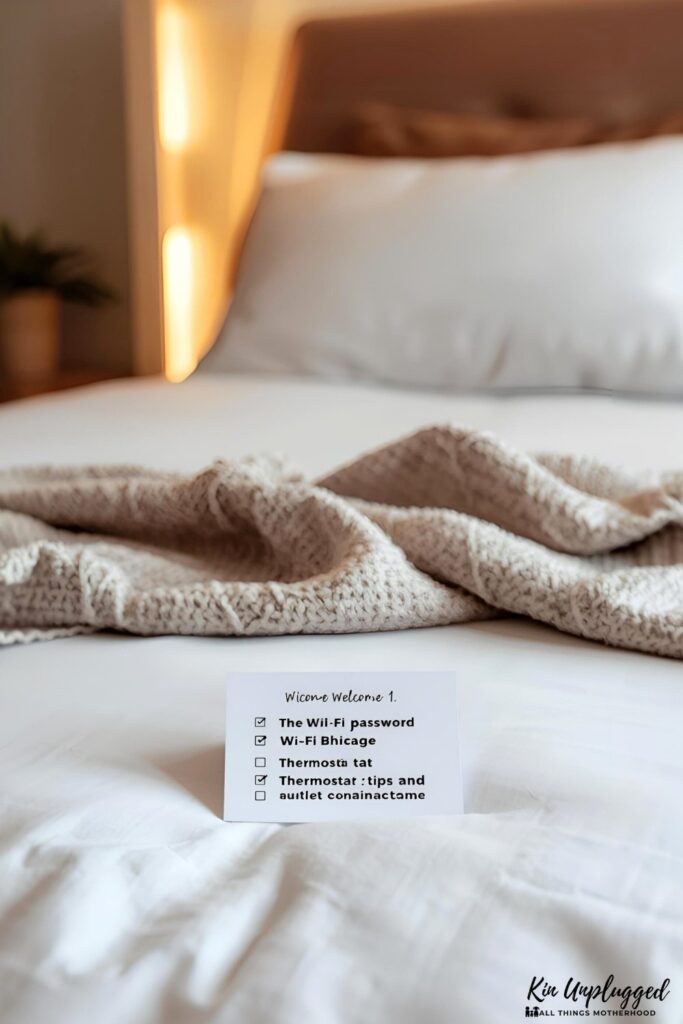
On the bed, tape a simple welcome card with the Wi-Fi password, thermostat tips and outlet locations.
Add a universal charger and spare plug adapter. Guests forget them every time.
These small steps make guests feel cared for before they even unpack.
Creating a sleep setup for all ages
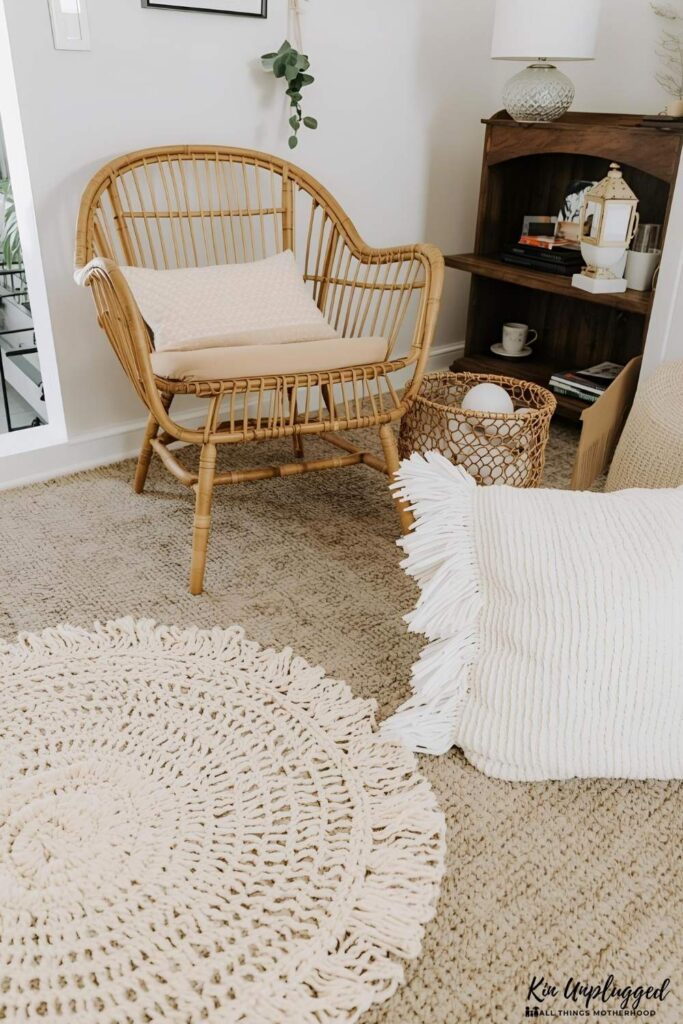
A good night’s sleep is the foundation of a great stay. Even if your guest room doubles as a home office, you can still make it restful.
Research shows that most people sleep best in a dark, cool and quiet environment. Aim for around 65 – 68°F (18 – 20°C), dim lighting and minimal noise.
Here’s how to make your space warm and calm:
Add a white noise machine or a small fan to muffle household sounds.
Keep a nightstand stocked with tissues, a water carafe, lip balm and a few hair ties.
Cover any blinking LEDs with opaque tape. Small but makes a big difference.
If a family with a baby is visiting, offer a folding screen or curtain divider to create a separate nap zone.
Place a plug in nightlight for late-night bathroom trips.
These details turn even a small space into a guest haven.
A food plan that runs itself
Guests will remember two things. The bed and the breakfast.
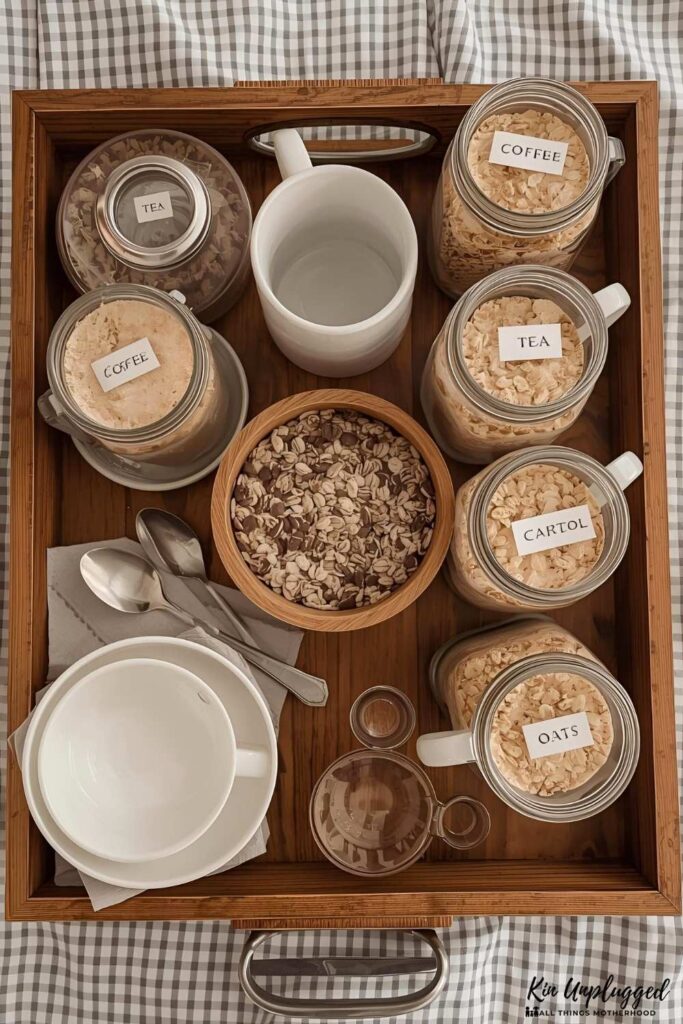
Instead of playing short order cook, make mornings self-serve.
Set out a breakfast tray the night before with bowls, spoons, mugs and labeled jars (“tea,” “coffee,” “cereal,” “oats”).
Place milk, juice and fruit on the front fridge shelf.
Add a friendly note: “Help yourself 6 – 10 a.m. Hot breakfast at 9 on Saturday.”
For dinner, follow the 3 meal rule.
One big pot meal (like chili or pasta bake).
One assemble-your-own option (tacos or grain bowls).
One eat out or delivery night for a break.
Keep a list of local takeout favorites and family friendly restaurants near the fridge. It saves decision fatigue when everyone’s hungry.
Bathroom and laundry made easy
The bathroom is one of the most-used guest spaces. Keep it simple, clean and stocked.
Focus your cleaning on what the CDC calls “high touch surfaces”: doorknobs, light switches, taps, toilet handles and remote controls. Skip the deep scrub in areas guests won’t use.
Set up a guest towel station.
Two towel sets per person, neatly folded.
Hooks labeled with names or initials.
A small bin with travel-size toothpaste, razors and feminine products.
Add a night safe pathway (like a motion-activated light) to help guests navigate in the dark.
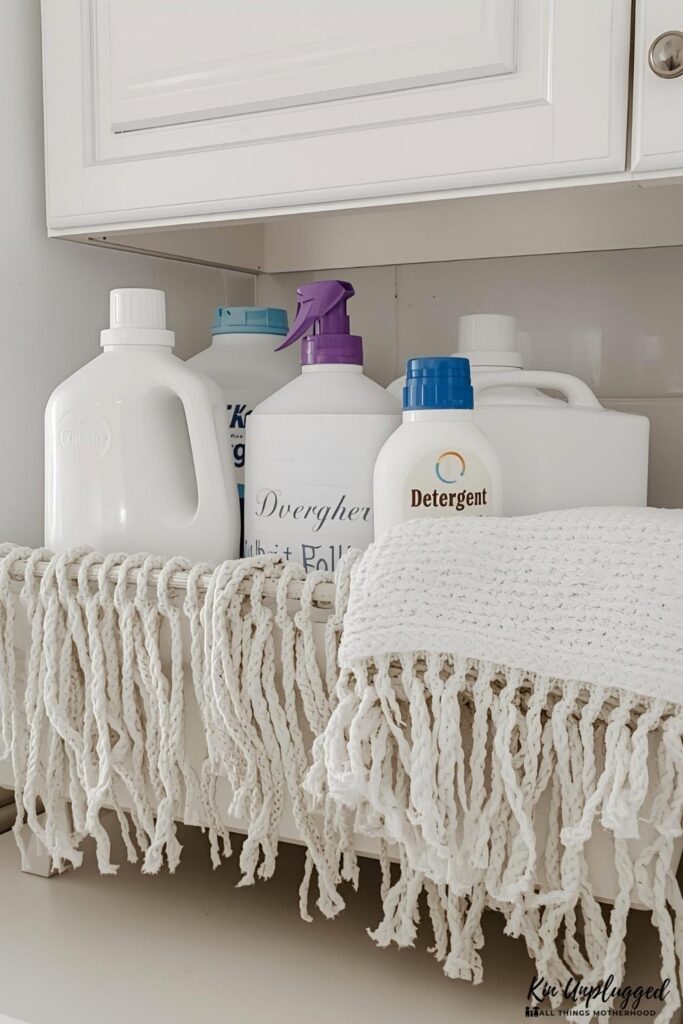
If you offer laundry access, create a wash station tray. Detergent pods, stain remover and one-line machine instructions. It prevents confusion and saves you time.
Kid proof hosting with minimal stress
When kids and guests mix, madness can follow…but a few smart tweaks make all the difference.
Focus on safety not perfection. Clear walkways, secure cords and move breakables out of reach.
Set up a toy basket in shared spaces to collect stray toys twice a day. Quick cleanup, no stress.
Create a quiet hour kit for your own kids with coloring books, audiobooks and fidget toys.
For visiting cousins, make a toy swap shelf. Each child picks one game to share and you take a photo before playtime so clean-up becomes a matching game.
These little systems keep your home running smoothly without the pressure to make it spotless.
Hosting on short notice | The 30 minute prep plan
Got a text that guests are coming tonight? Don’t panic. Just follow this order:
- Entry. Clear shoes and bags, add a mat if it’s rainy.
- Bed. Fresh sheets, extra blanket and a labeled pillow choice (flatter or fuller).
- Bathroom. New hand towel, toilet paper within reach, spare toothbrush visible.
- Kitchen. Wipe counters, replace the sponge, clear one fridge shelf and set up the tea/coffee tray.
- Info. Print a small Wi-Fi and schedule card. Keeps everyone informed.
Done. Your home feels ready in under half an hour.
Longer stays | Setting kind boundaries
For visits longer than a few days, communication is key.
Borrow from Emily Post’s timeless etiquette:
Be clear about arrival and departure dates.
Share quiet hours and mealtimes upfront.
Divide light chores or meals for fairness.
A sample text might say:
“We’re up at 6:30 on school days. Quiet hours are 9 – 6. Lunch is DIY and we eat dinner together at 6. There’s a key under the planter if you’re out late.”
For week-long visits, schedule a free night where everyone fends for themselves. You’ll all appreciate the break.
Creative touches
Want your guests to rave about your hosting? Try one or two of these ideas:
The six minute reset. Every evening, do a quick tidy with your kids. Cushions, surfaces, floors. It resets the vibe fast.
Neighborhood passport. Print a mini adventure sheet with local playgrounds, coffee walks and rainy day ideas.
The bedtime plate. Leave a biscuit, herbal tea and a small note in the guest room. It’s a tiny luxury that feels like a hug.
Mini repair kit. A tin with needles, safety pins and hem tape. Guests always need one.
The rain basket. Keep spare umbrellas by the door. You’ll be a hero on drizzly days.
Tech, TV and Quiet time
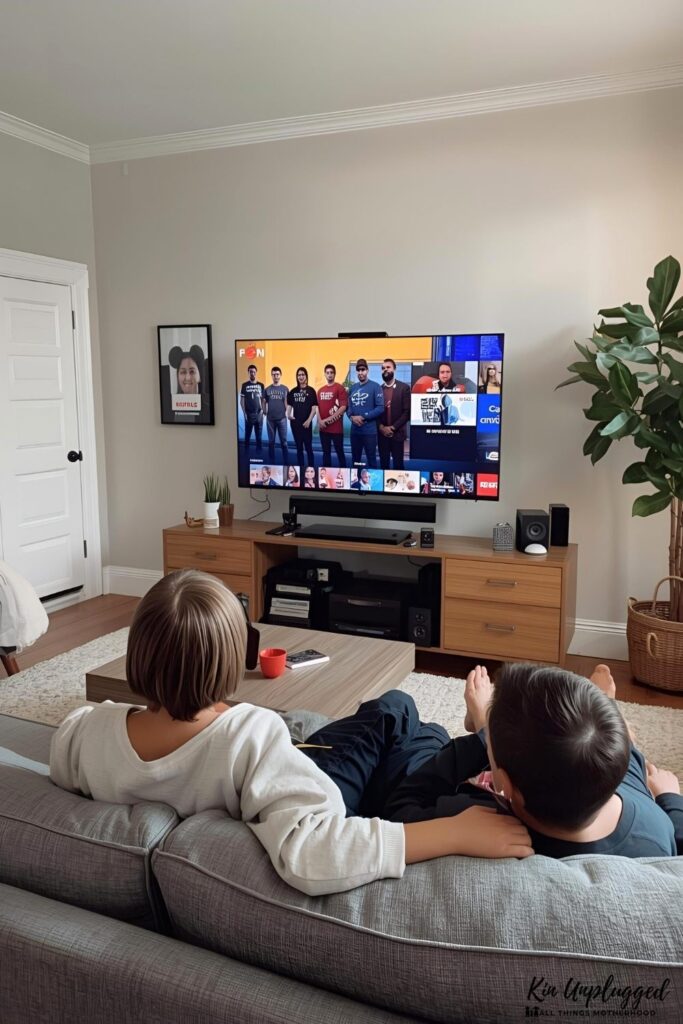
Share your family’s screen rules early. Especially if guests include kids.
Offer logins for approved streaming services and let them know your family’s off times.
If the guest room doubles as a playroom or office, use a door hanger. Red for “quiet time,” green for “come in.”
You can also create a shared photo album for the visit. Everyone can upload snapshots without endless group texts.
Safety and allergy prep without the drama
Before guests arrive, ask about allergies or sensitivities. Create a safe snack shelf for anyone with food restrictions.
Do a quick safety walk:
Check stair gates, outlet covers and heavy furniture stability.
Move essential oils or diffusers out of kids’ reach.
Label allergens clearly in the kitchen.
These steps take five minutes but show deep thoughtfulness.
Money, manners and meal contributions
When guests ask, “What can I bring?”, take them up on it!
For short visits, suggest bakery treats or a bottle of wine.
For longer ones, invite them to handle a meal or takeaway night.
This aligns with traditional etiquette: shared responsibility keeps everyone comfortable.
Keep a tray by the door for keys, wallets and spare change. If guests insist on paying for groceries, share your preferred store and list. It’s organized generosity.
Hosting guests with dietary needs
Every home can handle food restrictions with grace.
Start with a base menu of one grain, one protein and two sides that fit most diets. Ask guests for trusted brands to avoid surprises.
If gluten- or nut-free food is needed, dedicate a separate cutting board and knife and wipe counters carefully. Swap and dry dishcloths often. Damp ones are bacterial hotspots.
Your “day off” move
Hosting for five or more nights? Build in one day off.
Cold breakfast, picnic-style lunch and simple takeout dinner.
It gives you breathing room and gives guests a day to explore independently. Everyone wins.

Tiny luxuries
Carafe and glass of water by the bed.
Lavender sachet in the pillowcase.
Local postcard with the next day’s weather.
A mix of pillow firmness levels.
Small gestures communicate warmth and care far better than elaborate decor.

Your 3 hosting anchors
- Decide what matters. Focus on sleep, breakfast and bathrooms.
- Prep the touch points. Handles, taps, switches. Those small details show care.
- Communicate early. A single clear message about arrival and routines saves misunderstandings later.
How to be a great host/ess with kids in the house
Let guests see your real rhythm. School runs, homework, bedtime stories. Involve them in light moments like dish-drying or park walks. It’s authentic not performative.
Keep a quiet hobby basket for adults too. Puzzles, magazines or crosswords. It signals that downtime is welcome.

After guests leave | The graceful reset
Once your guests are gone, take 15 minutes to reset:
Strip beds and wash towels.
Restock toiletries and breakfast items.
Wipe high touch surfaces.
Replace the kitchen sponge (the germiest spot, studies show).
Send a quick thank you text or photo from the visit. Mention how you used any gift they brought. It’s the perfect final touch.

Finally…
Being a good host isn’t about perfection. It’s about presence. When you prepare smartly, communicate clearly and sprinkle in a few thoughtful details, everyone feels at ease, including you.
 0
0

 278
278