
If you need games to replace screen time that do not feel like extra work, start with the ones that are fast to set up, easy to repeat and fun enough that kids ask for them again tomorrow. The best swap is not the most educational game on earth. It is the one your kids will actually play at 4:47 pm when everyone is tired and dinner is late.
We did not fix our screen problem by turning into a family that cheerfully plays chess by candlelight every night. We fixed it by finding five games that were quicker than handing over a tablet, easier than a craft and much better at pulling everyone back into the same room.
Read: Best games to play with Uno cards (easy, low prep, family night friendly)
The American Academy of Pediatrics suggests building in screen free zones and fun swaps like family games, reading, outdoor play and hobbies so screens do not crowd out sleep, learning and face to face time. The CDC also says turning off screens an hour before bed and removing screens from bedrooms can help cut screen use and improve sleep.
That is the practical reason this matters. The more interesting reason is that the right game changes the mood of the room faster than a lecture ever will.
The five games at a glance
| Game | Best time to use it | Why it beat screens here | Effort level |
| Dobble or Spot It | After school, before dinner | Fast start, short rounds, no long instructions | Very low |
| Outfoxed! | Sibling tension, rainy afternoons | Team play, shared goal, less arguing | Low |
| Sleeping Queens | Slow evenings, mixed ages | Silly enough to hook kids, simple enough to repeat | Low |
| Bananagrams | Older kids, waiting time, weekends | Feels quick, hands on, no huge board | Low |
| Rorys Story Cubes | Wind down time, bedtime, quiet mornings | Turns talking into a game, not an interrogation | Very low |
If your hardest window is right after school, start with Dobble. If your hardest window is bedtime, skip ahead to Rorys Story Cubes because that one does quiet connection without making it feel like work.
If your house needs less sibling friction, go straight to Outfoxed!. That game did more for the room than I expected and that is saying a lot.
Why these games worked when other good ideas did not
Busy moms do not need more noble plans that fall apart by Wednesday. We need things that work when the dishwasher is running, someone cannot find a shoe and a child is already asking for a screen before their backpack hits the floor.
These five stuck because they all do one of three jobs. They reset energy, buy connection or fill a transition.
That is the part many lists skip. The game matters but the timing matters more.
In our house, screens were not only about entertainment. They were often standing in for a gap, that awkward stretch before dinner, the slump after school, the hour when one child wants company and another wants quiet.
Once we saw that, the fix got simpler. We did not need twenty new ideas. We needed a short list of games that matched the weak spots in the day.
1. Dobble or Spot It for the after school slump
This was the fastest win. If you have not played it, the whole point is spotting the one matching symbol between cards, which means kids can start almost immediately and nobody sits through a long explanation.
That speed is exactly why it beat screens in our house. A tablet gives instant reward, so the replacement has to start just as fast or it loses.
What I like most is that it works in tiny windows. Ten minutes is enough, which makes it perfect for that strange hour when kids are hungry, loud and not yet settled.
It also does not ask much from the parent. You can sit down and play properly or you can half supervise while stirring pasta and still keep the moment moving.
Best for this game: after school, waiting for dinner, five minute resets, short sibling resets
The reason a game like this helps is not just that it fills time. The AAP notes that play supports planning organization, social skills and emotion regulation, which is exactly what kids are often short on in that late afternoon stretch.
2. Outfoxed! for sibling peace that does not feel forced
Some games make kids compete when they already have enough reasons to compete. This one works better in a lot of homes because everyone is trying to solve the same mystery together.
That shifted the whole tone here. Instead of one winner and one child melting into the carpet, we got kids talking, guessing and actually helping each other.
I do not think every family needs cooperative games only. I do think every family needs one good cooperative option for the evenings when nobody has the bandwidth for losing gracefully.
Best for this game: rainy days, sibling tension, weekend afternoons, family night when someone is already in a mood
This is also a nice fit if you have one child who usually dominates game night and one who fades into the wallpaper. A shared target changes the social math.
If this sounds like your people, send them next to family games for mixed age siblings and rainy day ideas for kids who are done with crafts.
The AAP says play with parents and peers helps build social bonds and supports skills like getting along with others and regulating emotions. That is a big reason cooperative games can land so well at home.
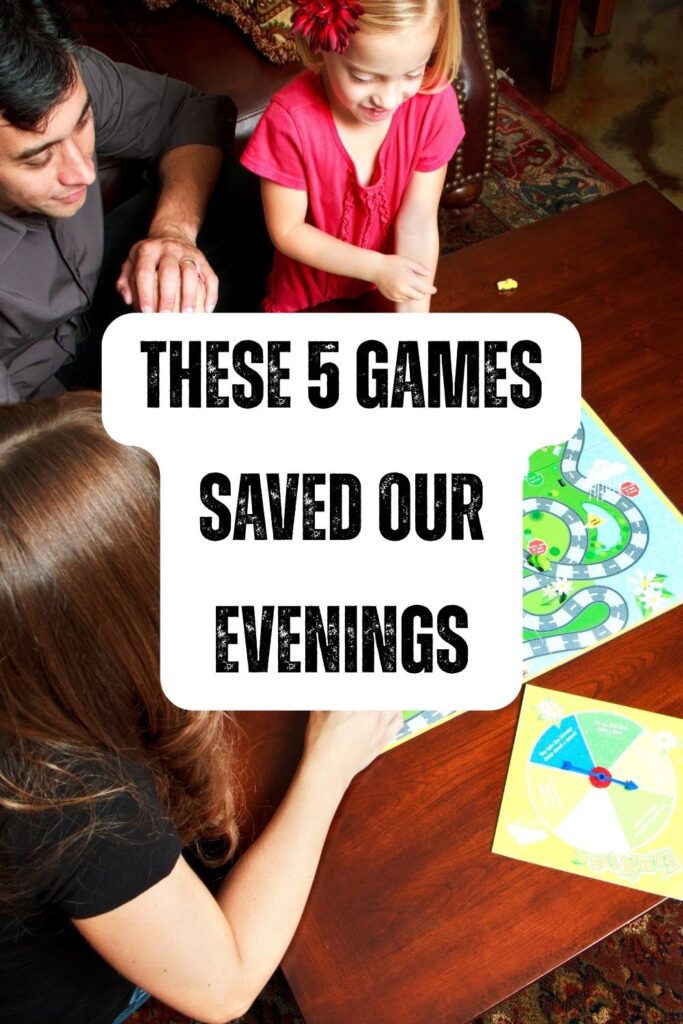
3. Sleeping Queens for mixed age fun that still feels light
Some games are technically good but they land like homework. This one has enough silliness to pull kids in without making the grown up run the whole thing.
That matters more than people admit. Kids are much more likely to leave a screen for a game that feels a little ridiculous.
The other reason it lasted here is that rounds move quickly. Nobody is trapped for an hour and that makes it easier to suggest on a normal weeknight.
Best for this game: mixed ages, slower evenings, family table time, travel, holiday downtime
This is the sort of game I reach for when I want something more engaging than Uno but still easy enough that I do not have to read rules with my glasses halfway down my nose. It has personality and personality goes a long way.
4. Bananagrams for older kids who want something that feels less babyish
This is where a lot of families get stuck. The little kid games feel too young, the big games take too long and screens start to look like the obvious option again.
Bananagrams helped because it feels quick and active without being noisy. It also has that satisfying table energy that makes older kids feel like they are doing something real, not just being managed.
It is especially good for kids who like words, patterns or doing something with their hands while they talk. Some children open up more easily when they are looking at tiles instead of your face.
Best for this game: older kids, tweens, waiting time, holiday weekends, kitchen table moments
A useful rule from Child Mind Institute is to look at the whole picture, not just hours. If screens are pushing out sleep, exercise, family time, school responsibilities or hobbies, that is when it helps to step in and reset the routine.
5. Rorys Story Cubes for quiet connection at the end of the day
This one surprised me. It did not look like the strongest contender but it ended up being the game that replaced a lot of random evening screen drift.
The cubes give you images and those images become a story. That is simple but the magic is that kids start talking without feeling like they have been sat down for a meaningful family discussion.
That is why I keep it in the bedtime zone. It lowers the volume of the room without flattening the mood.
Best for this game: bedtime wind down, quiet mornings, sick days, one on one time, travel
The CDC says reducing screens before bed can help sleep and in real life that means you need something else to put in that slot. A quiet, talking based game fits that job beautifully.
If your kids are saying no to every game, start here
A lot of kids will not jump from a high stimulation screen straight into a slow board game. That does not mean games are not for your house. It usually means the transition is too abrupt.
Start with the shortest game first. Make it a ten minute thing, not a whole evening identity shift.
Also, do not pitch it like medicine. Just say come play one round with me before dinner.
That tiny sentence works better than a speech about family connection. Nobody wants a speech when they were hoping for YouTube.
If there is pushback, stay steady for a few days. Child Mind Institute notes that kids often push back on new screen limits at first but they usually adjust if the boundary stays consistent and calm.
The timing strategy that made this stick
We did better when we stopped offering games at random and started attaching them to specific moments. That gave the day a shape kids could learn.
Here is the easiest version.
After school use a fast card game
Before dinner use a quick table game
After dinner use a cooperative game
Before bed use a quiet talking game
This matters because the AAP recommends a family media plan that fits your actual routines, with screen free zones and clear swaps so the day is not left to default settings.
What to do if you have kids of very different ages
This is where many mothers give up and honestly, fair enough. Finding one thing that works for a preschooler and an older child can feel like trying to serve one dinner that nobody complains about.
The trick is not finding a perfect game. It is giving each game a job and letting different kids enter it in different ways.
A younger child might help spot symbols in Dobble. An older child might take the lead in Outfoxed! or run the story in Rorys Story Cubes.
That still counts. Shared play does not need perfect symmetry to work.
The National Association for the Education of Young Children notes that play helps children learn, lowers stress and supports development in many forms, including games with rules. That is useful to remember when different ages are participating differently but still getting something from the same moment.
If you need a decision path, use this
If your biggest issue is late afternoon whining, start with Dobble.
If your biggest issue is sibling friction, start with Outfoxed!
If your biggest issue is kids saying family games are boring, start with Sleeping Queens.
If your biggest issue is older kids rolling their eyes, start with Bananagrams.
If your biggest issue is random evening scrolling and bad bedtime drift, start with Rorys Story Cubes.
That is the whole point of this list. Not every game for every home, just the right game for the right weak spot.
A note on screen time guilt
You do not need to turn screens into the villain of modern life. The goal is not purity. The goal is balance that your family can live with.
HealthyChildren points out that the question is not only how many hours are on a device. It is also what screens are pushing out and how they affect mood, connection and rest.
That framing helped me a lot. It turns the question from how do I win this battle to what does my child need more room for today.
That is a much saner question. It also leads to better choices.
If this is your kind of parenting content, stay close
If you like realistic ideas that work in actual family life, the kind that still hold up on a school night when someone is hungry and someone else cannot find their trainers, join my email list. I send practical notes for busy moms who want family life to feel more connected, more personal and easier to move through one real day at a time.
FAQs
What can I replace screen time with for kids?
The best replacement is a short activity that starts quickly and fits the time of day. Family card games, cooperative board games, reading, hobbies, outdoor play and quiet bedtime games all work better than a grand plan that takes too long to set up. HealthyChildren specifically suggests fun swaps like family games, reading, outdoor play and hobbies in a family media plan.
How do I reduce screen time without fights?
Start with one predictable swap, not ten new rules at once. Pick one screen heavy part of the day, offer one game there every day for a week and keep the boundary steady. Child Mind Institute says kids often push back at first but they usually adjust when limits are clear and consistent.
Do games really help with screen time?
Yes, if the game is easy enough to compete with the screen in the moment. The AAP says play supports skills like planning organization, social connection and emotion regulation, so a good game is not just a distraction, it is also doing useful work.
What if my child says board games are boring?
Start with faster games and shorter rounds. A child who is used to instant digital reward will usually do better with a ten minute card game than a long strategy game. Once they remember games can feel fun again, you can build from there.
Does cutting screen time before bed actually help sleep?
Yes. The CDC says turning off screens an hour before bed and removing screens from children’s bedrooms can help reduce screen time and improve sleep.
How do I know if screen time is really a problem in my house?
Look at what it is crowding out. If screens are getting in the way of sleep, exercise, family time, school responsibilities or hobbies, that is a stronger signal than the number of minutes on a timer.
The real reason this worked
The games helped, yes, but the deeper fix was that they gave us a better answer to the moments when screens had become the default.
 0
0

 278
278