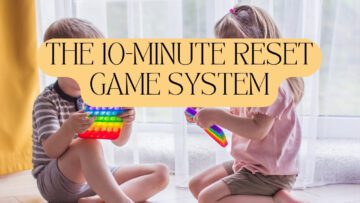


If you’re searching for games for shy kids because your child hangs back at parties, avoids group activities or shuts down when attention turns their way, you’re not alone. The goal is not to fix their personality. It’s to help them feel safe enough to participate at their own pace.
The right games lower social pressure, offer structure and allow connection without spotlight moments. When chosen intentionally, they can gently increase confidence, conversational skills and emotional regulation without forcing your child into uncomfortable situations.
If you want a printable list you can keep on your phone for playdates and parties, I’ve included a simple planning table below so you can choose quickly and move on.
Let’s make this practical.
READ: 11 Most Practical Ways to help your toddler overcome shyness
First, a quick reset about shyness
Shyness is not a flaw.
According to the American Psychological Association, shyness often stems from heightened social awareness and sensitivity to evaluation. That means many shy kids are actually deeply observant and empathetic.
Your job is not to push them louder.
It’s to give them safe repetitions of positive social experiences.
That’s where games come in.
What makes a game good for shy kids?
Before start, look for these features:
Clear structure
Small groups or partner play
Low competition
Predictable turns
Optional speaking
Avoid games that require performance, speed shouting or elimination rounds.
Structure builds safety. Safety builds participation.
Quick selection guide
Use this table when you need to choose fast.
| Situation | Best Type of Game | Why It Works | Energy Level |
| Playdate at home | Cooperative building games | Focus on task, not conversation | Low |
| Birthday party | Treasure hunt in small teams | Shared goal reduces spotlight | Medium |
| Classroom setting | Partner drawing challenge | Encourages one-on-one interaction | Low |
| Family gathering | Guess the object (in a bag) | Talking is optional | Low |
| Park meetup | Nature scavenger list | Movement reduces pressure | Medium |
If you only try one new game this month, pick one from the low energy column.
Consistency matters more than variety.
Practical games for shy kids
1. Secret Mission Scavenger Hunt
This works beautifully for shy kids because attention shifts to the task.
Give each child a small list of items to find. In a home setting, it can be simple objects. Outdoors, think leaves, rocks or colours.
Pair children up instead of sending them solo.
Why it works: The shared goal reduces direct social pressure. Research from the Child Mind Institute shows cooperative tasks reduce social anxiety triggers in group settings.
2. Pass the Story (In Pairs)
Sit two children together.
One starts a story with one sentence. The other adds a sentence.
Keep it playful and short.
Why it works: It limits speaking time and removes the need to perform in front of a group.
3. Mystery Object Bag
Place random household objects in a cloth bag.
Each child reaches in, feels the object and guesses what it is.
They can whisper their guess to a parent if they prefer.
Why it works: Participation can be non-verbal. Touch and curiosity replace conversation.
4. Build It Together Challenge
Give two or three kids blocks or LEGO and a simple prompt.
Build a bridge. Build a zoo. Build a tiny house.
No winners. Just teamwork.
Why it works: Focus shifts from talking to doing. Cooperative play increases comfort over time.
5. Emotion Charades (Soft Version)
Instead of acting wildly in front of everyone, children draw emotion cards and act them out in pairs.
Happy. Surprised. Sleepy.
Keep it small.
This subtly builds emotional literacy too.
6. Drawing Swap
Child A starts a drawing.
After two minutes, they pass it to Child B to continue.
Continue until finished.
No judging. No critiquing.
Why it works: Creativity allows expression without direct verbal interaction.
7. Would You Rather (Small Group Edition)
Ask simple, playful questions in groups of three or four.
Would you rather fly or swim underwater?
Would you rather eat pancakes or waffles forever?
Children can point instead of speak.
This encourages low-stakes sharing.
8. Quiet Bingo
Instead of shouting Bingo, children place a sticker when they finish.
Use themes like animals, shapes or colours.
Why it works: Removes loud competitive energy that can overwhelm shy kids.
9. Nature Texture Hunt
Perfect for park days.
Ask children to find:
Something rough
Something smooth
Something soft
They return and show, not necessarily explain.
Movement lowers anxiety levels.
10. Compliment Circle (Optional Speaking)
Each child receives a sticky note on their back.
Other children write kind words.
Reading them later at home feels safer than public praise.
This builds confidence gently.
How to Introduce Games Without Pressure
Do not announce it like a performance.
Instead say:
I thought we could try this for fun.
And join in yourself.
Your participation signals safety.
What If My Child Refuses?
Pause.
Observe.
Invite them to watch first.
Exposure therapy research shows gradual exposure works better than forced participation. Watching is often the first step toward joining.
Consistency over time matters more than one perfect day.
Games to Avoid for Shy Kids
- Musical chairs
- Loud team shouting games
- Elimination rounds
- Timed rapid-answer games
- Public talent show formats
These can heighten performance anxiety.
Confidence Builds Slowly
You will not see overnight transformation.
But you may notice:
- Longer eye contact
- Quicker responses
- Willingness to try once
Those are wins.
Small ones count.
Why Games Matter More Than You Think
Structured play teaches:
- Turn-taking
- Emotional regulation
- Risk tolerance
- Social reading skills
These skills support classroom participation later on.
According to research published in the journal Early Childhood Research Quarterly, guided peer play can significantly improve social competence in children who tend to withdraw.
This is not about personality change.
It’s about skill building.
Frequently Asked Questions About Games for Shy Kids
Are shy kids socially anxious?
Not always. Shyness is a temperament trait, while social anxiety involves intense fear and avoidance.
Should I push my shy child to join group games?
Gentle encouragement is helpful but forcing participation can increase resistance.
What age do children outgrow shyness?
Many children grow more comfortable socially as skills develop, especially between ages 7–10.
Do games really help shy children?
Yes. Structured, cooperative games provide repeated safe social exposure, which builds confidence gradually.
How can I help my child at birthday parties?
Arrive early, introduce one familiar child first and choose low-pressure activities.
If you’re raising a quieter child, you already know.
They feel deeply. They think carefully. They notice everything.
With the right support, those traits become strengths.
If this kind of practical, calm parenting guidance helps you feel more confident too, join my email list below. I share realistic tools that fit around school pickups, toddler meltdowns and everything in between.
You don’t need louder kids. You need strategies that work for the ones you already have.
 0
0

 278
278