
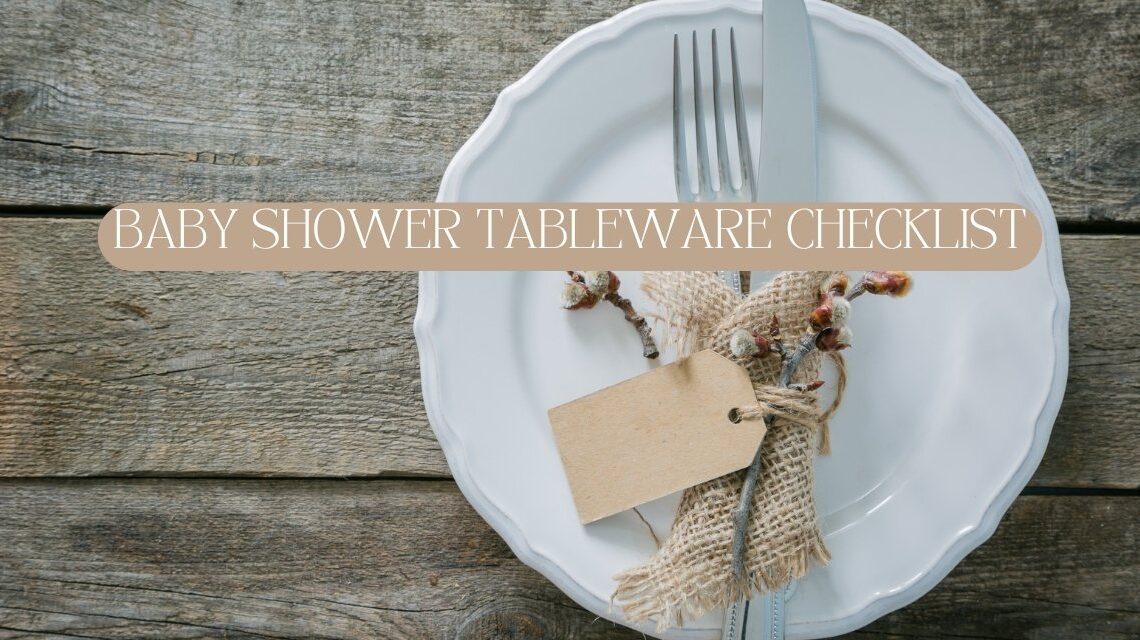
You have a shower date locked in and a rough guest list and now you’re staring at a browser full of pastel plates wondering what you actually need to buy. This checklist cuts through the guesswork so you can order everything in one go and move on with your week.
READ: Baby shower centrepieces | Wowing ideas
Why Getting the Tableware Right Matters More Than the Theme
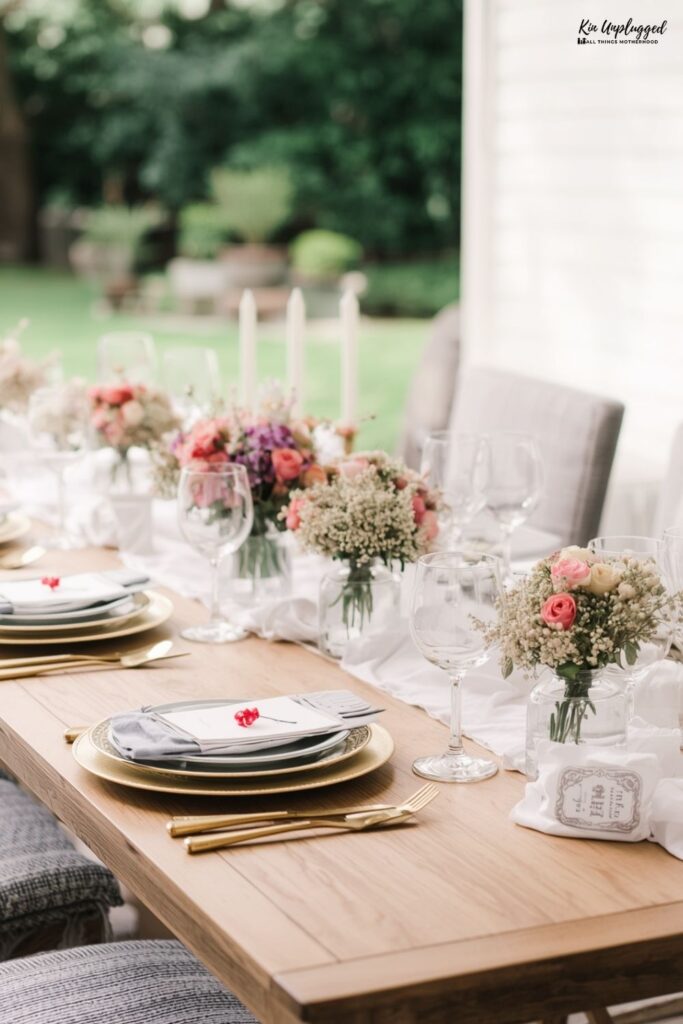
The theme is the fun part. The tableware is the logistics — and if you get it wrong, you’re either scrambling for extra cups an hour before guests arrive or throwing away a stack of plates nobody touched. Neither is a good use of your time or money.
The other thing worth knowing upfront: baby shower tableware isn’t just “plates and napkins.” It covers a specific set of items that work together, and the quantities follow a formula that most party supply sites quietly gloss over. This checklist gives you the formula and the full list so you can shop once.
The Complete Baby Shower Tableware Checklist
Work through this category by category. Quantities in each section are based on a 20–30 guest shower, which is the most common size. Adjust the multipliers if you’re going smaller or larger.
1. Dinner or Luncheon Plates
If you’re serving a sit-down meal or a substantial spread — think finger sandwiches, quiche, fruit platters — you need a proper plate, not just a small dessert plate.
How many to buy: 1.25x your guest count. For 25 guests, that’s 32 plates. The buffer accounts for anyone who goes back for seconds or drops one.
What to look for: Plates sized 9–10 inches for a meal, 7–8 inches if it’s lighter fare. Sturdy paper or compostable sugarcane plates hold up to heavier food without going soggy. Avoid the ultra-thin options. They look fine in photos and fail the moment someone puts a scoop of pasta salad on them.
2. Dessert Plates
Even if you’re only serving cake and sweet bites, dessert plates are a separate line item. Most hosts either skip them entirely (bad idea. Paper towels are not a vibe) or double up on dinner plates (wasteful).
How many to buy: Equal to your guest count, no buffer needed. One plate per person for cake is standard.
Size: 6–7 inches. Anything smaller is genuinely difficult to eat cake off without making a mess.
3. Cups — Hot and Cold
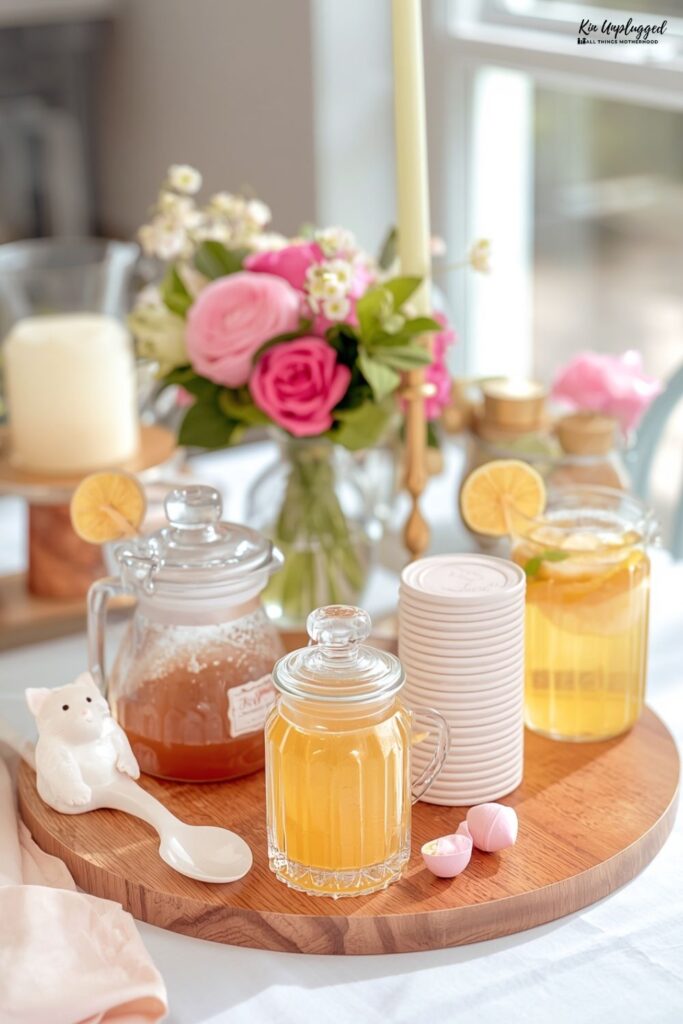
Most showers involve both tea or coffee and cold drinks like lemonade or juice. You need two separate cups per person unless you’re confident you’re doing one or the other only.
How many to buy:
- Cold cups: 2x your guest count. People put cups down and forget which one is theirs. Plan for it.
- Hot cups: 1x your guest count if coffee and tea are available from the start; 1.5x if you’re doing a staggered service.
Practical note: If you’re using a punch bowl or a large jug, go with plastic cups rather than paper — they hold cold drinks better and don’t go limp. For hot drinks, double-walled paper cups are worth the small extra cost because nobody wants to juggle a scalding cup.
4. Napkins — Cocktail and Luncheon
Napkins get used constantly and are the item most people underestimate. Budget for two napkin types: a smaller cocktail napkin for drinks and a larger luncheon napkin for food.
How many to buy:
- Cocktail napkins: 3–4x your guest count
- Luncheon napkins: 2x your guest count
These numbers feel high until you’re at the shower watching someone use four napkins to manage a vol-au-vent. They’re also cheap, so over-ordering here is never a mistake.
5. Cutlery
Forks, knives and spoons. Simple enough, but people consistently undercount.
How many to buy: 1.5x your guest count per utensil type. If you’re serving a meal that needs all three, that’s forks, knives and spoons each at 1.5x. If it’s a dessert-only spread, forks and spoons only.
Plastic vs. wooden: Wooden cutlery looks better in photos and sits more comfortably in the hand than the bendy plastic you get in bulk packs. It costs a little more but the difference per unit is pennies at scale. If budget is tight, go wooden for forks (most visible in photos) and standard plastic for the rest.
6. Serving Platters and Bowls
Your guests’ plates are covered. Now think about what the food sits on before it reaches them.
What you need:
- 1 large serving platter per main food station (typically 2–3 platters for a standard spread)
- 1–2 serving bowls for salads, crisps or anything loose
- A cake stand or board if you’re doing a centrepiece cake — this is separate from your serving platters
Disposable serving ware has come a long way. White sugarcane or foil platters look clean and hold weight. If the shower has a specific colour palette, you can line platters with tissue paper or leaves and nobody will know they’re disposable.
7. Serving Utensils
Tongs, ladles and serving spoons are easy to forget because they’re not glamorous. They are, however, the reason food gets from platter to plate without someone using their hands.
What you need per station:
- 1 pair of tongs for anything finger-food or salad
- 1 serving spoon per bowl or dish
- 1 cake server if you’re cutting cake at the shower
- 1 ladle if you’re doing punch or a drink dispenser
Buy these in a matching material to your cutlery if presentation matters to you. If not, a cheap pack of disposable serving utensils does the job.
8. Tablecloths and Table Covers
Not always filed under “tableware” but they belong on this list because they affect how everything else looks and they protect the table underneath.
How many to buy: Measure your tables before ordering. A standard 6-foot folding table needs a 54×108-inch tablecloth. Order one per table plus one spare in case of a spill that can’t be managed discreetly.
Paper tablecloths work fine for most showers. Plastic-backed paper is better if you’re outdoors or if the venue has tables that aren’t in good shape — it handles condensation and the odd splash without soaking through.
Make It Work on a Normal Budget
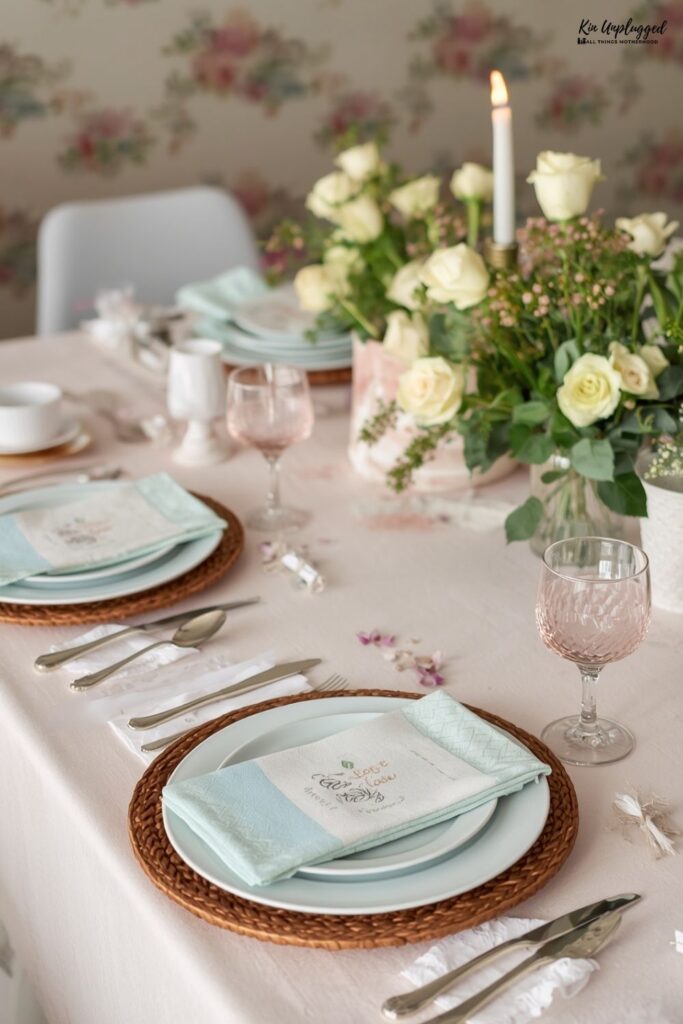
Baby shower tableware adds up faster than expected, mostly because people shop by aesthetic first and quantity second. Flip that around.
Work out your quantities using the formulas above, then set a per-head budget before you open a single tab. Somewhere between £1.50–£2.50 per guest (roughly $2–$3) covers a complete, decent-looking set including plates, cups, cutlery and napkins if you shop at the right retailers. Going above that usually means you’re paying for branded packaging.
Where to shop:
- Amazon for bulk packs — search by material (sugarcane, palm leaf, bamboo) rather than theme and you’ll pay less for the same quality
- Party City or Target (US) for anything you need quickly and in a matching set
- The Range or Wilko (UK) for budget basics that photograph well
- Etsy for personalised napkins or custom toppers only — not for bulk tableware, where the per-unit cost is genuinely not worth it
One shortcut worth knowing: buy your plates, cups and cutlery in white or natural kraft, then add colour through napkins and tablecloths only. You spend less, the table looks intentional and you’re not locked into a specific theme if plans shift.
READ: How to Plan a Baby Shower on a Budget
What Health Guidance Says About Food Safety at Parties
This doesn’t always make the Pinterest boards but it matters: food safety guidelines from bodies like the NHS and the FDA recommend that perishable food (anything with dairy, egg or meat) shouldn’t sit at room temperature for more than two hours. At an outdoor shower in warm weather, that window drops to one hour.
This affects your tableware choices more than you’d think. If you’re serving food in batches rather than all at once, you’ll need extra serving bowls and platters so you can rotate fresh food in without reusing unwashed dishes. Build that into your quantity count.
It also means: don’t pre-plate food hours in advance and cover it with cling film hoping for the best. Use your serving platters in rotation and keep backup portions covered in the kitchen until the first round is running low.
Baby Shower Tableware Timeline
If you’re planning from scratch, here’s when to sort each piece.
6–8 weeks before
Lock in your guest count estimate and confirm the venue so you know how many tables you’re working with. This is also when you decide on your colour palette — it affects every tableware purchase after this point.
4–5 weeks before
Order your bulk items: plates, cups, cutlery and napkins. Ordering early means you’re not paying express shipping and you have time to reorder if something arrives damaged or short.
2–3 weeks before
Order your serving platters, bowls and tablecloths. These are bulkier to ship and easy to underestimate in size — ordering now gives you room to swap if the dimensions aren’t right.
1 week before
Do a full inventory check against this checklist. Count everything out. This is also when you pick up any last-minute items locally rather than hoping for a fast delivery.
Day before
Set up tables if the venue allows it. Lay out tablecloths, stack plates and arrange cups so the morning of the shower isn’t a scramble. Keep perishable food off the table until the day itself.
FAQs
What tableware do I need for a baby shower?
The full list is: dinner or luncheon plates, dessert plates, hot cups, cold cups, cocktail napkins, luncheon napkins, forks, knives, spoons, serving platters, serving bowls and serving utensils. Add tablecloths if your venue doesn’t supply them.
How many plates do I need for a baby shower?
Buy 1.25x your guest count for dinner plates and 1x your guest count for dessert plates. For 25 guests, that’s roughly 32 dinner plates and 25 dessert plates.
Is it better to use paper or plastic tableware for a baby shower?
Paper or sugarcane plates are sturdier than they used to be and look better on a table. Plastic works better for cold drink cups because it doesn’t go soft. Wooden cutlery is worth the small extra cost for forks at minimum.
Can I mix tableware sets from different shops?
Yes, as long as you stick to a consistent colour palette. White plates from one retailer and gold cutlery from another will look deliberate. Mixing a pink plate with a floral plate from two different sets will look like a mistake.
How far in advance should I buy baby shower tableware?
Order bulk items 4–5 weeks out. This gives you time to reorder if quantities are wrong and avoids paying for rushed shipping.
Do I need separate hot and cold cups?
If you’re serving both tea or coffee and cold drinks, yes. Cold cups go limp with hot liquid and hot cups are awkward for juice or punch. Two cup types is the cleaner solution.
Run through this checklist with your guest count and you’ll have a complete order ready in one sitting. No last-minute panic runs required.
 0
0

 278
278